 Cart is empty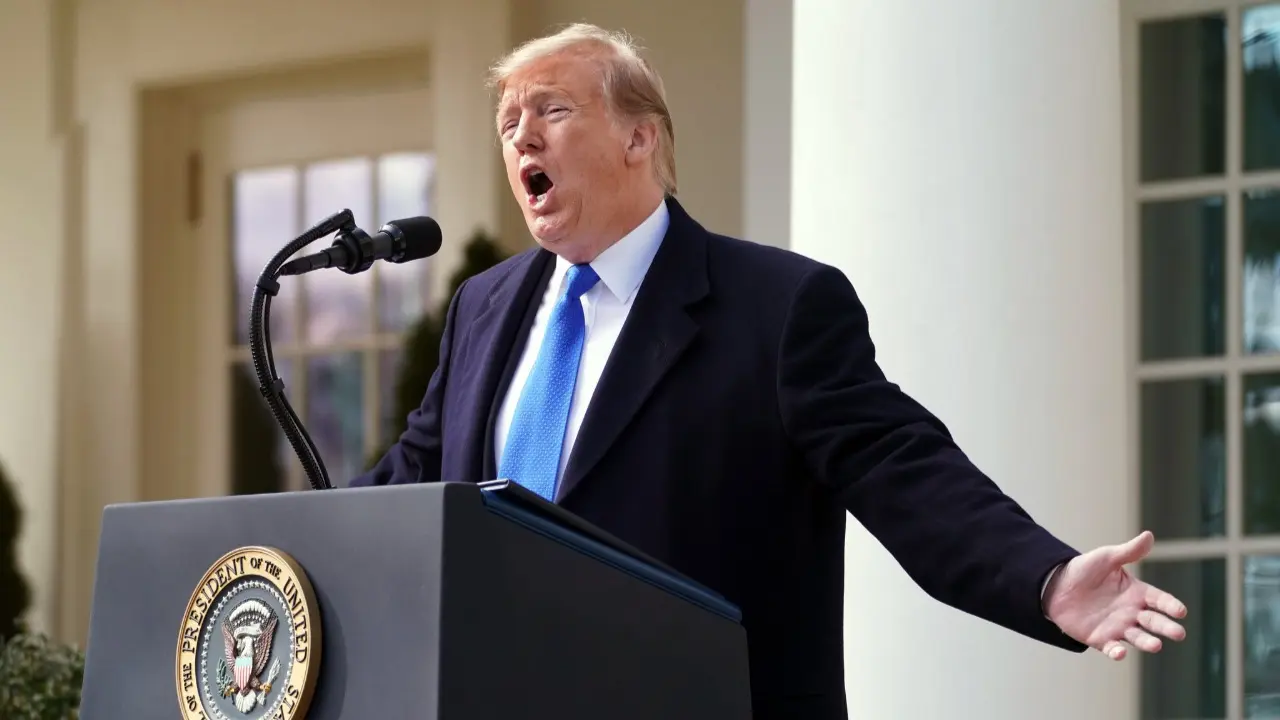

 WhatsApp Group
Washington, D.C. — September 15, 2025
President Donald Trump announced plans to declare a national emergency over a growing dispute with Washington, D.C. officials regarding cooperation with U.S. Immigration and Customs Enforcement (ICE).
The tension began after Mayor Muriel Bowser said the Metropolitan Police Department would no longer share information with ICE about individuals in the country illegally. In response, Trump warned that if the city refuses to cooperate, he will federalize control of Washington, D.C. and enforce immigration measures directly through federal authorities.
Trump’s Warning
Trump described the move as necessary to prevent a rise in crime, saying that ending cooperation with ICE would “bring crime roaring back” to the capital. He accused Democratic leaders of pressuring the city to distance itself from federal immigration enforcement and vowed to intervene if required.
“I am with the people and businesses of D.C., and I won’t allow this to happen. If needed, I will call a national emergency and federalize the city,” Trump declared.
Background
Last month, Trump had already deployed thousands of National Guard troops to Washington, D.C., placing the Metropolitan Police Department under temporary federal authority. That order allowed federal agencies, including ICE, to coordinate with local security forces in response to what the administration described as rising violent crime.
Although some emergency powers expired earlier this month, federal law enforcement remains active in the city. Trump’s new threat signals an escalation, as he pushes for long-term cooperation between ICE and local police.
Local Response and Uncertainty
Mayor Bowser’s office has not issued a detailed response to Trump’s latest announcement. Questions also remain about the legal process of federalizing Washington, D.C. and how long such measures could last.
Why It Matters
The dispute highlights the broader clash between local autonomy and federal authority. Washington, D.C., which is not a state, has long faced unique challenges balancing its limited self-governance with oversight from the federal government.
If Trump follows through, this would mark one of the most direct federal interventions in local policing in recent history, with major implications for immigration policy, civil liberties, and community trust across the capital.


 By
By