 Cart is empty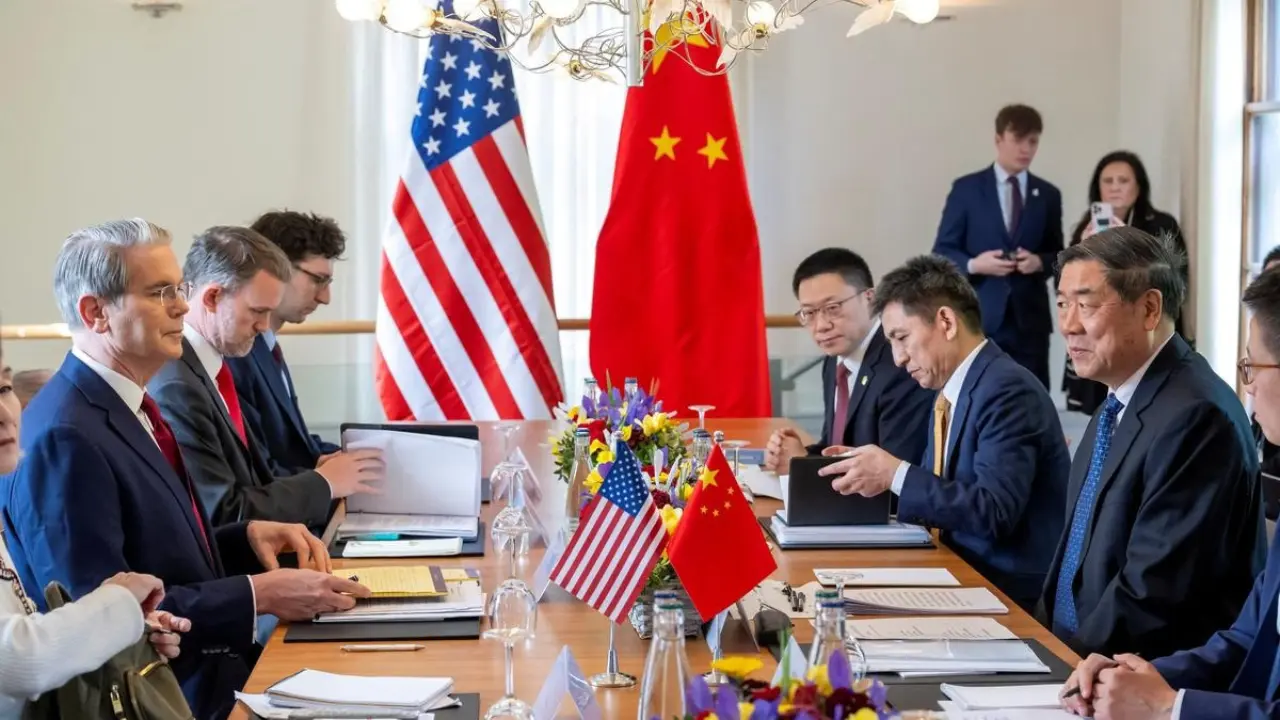

 WhatsApp Group
Madrid, September 2025 — Senior trade officials from the United States and China gathered in Madrid this week to address long-running disputes over tariffs, technology regulation, and digital platforms. The meeting, led by U.S. Treasury Secretary Scott Bessent and Chinese Vice Premier He Lifeng, highlights the difficulty both sides face in balancing economic ties with growing political and security concerns.
Tariff Pause Nears Its Deadline
Earlier this year, Washington and Beijing imposed steep tariffs on multiple industries. To prevent a further spiral, the two governments agreed to a temporary pause on new duties. That suspension is due to expire in early November 2025, making the Madrid discussions a critical checkpoint on whether the truce will hold or give way to another round of tariff increases.
TikTok and Digital Oversight
One of the most sensitive issues remains TikTok’s future in the U.S. American law requires its Chinese parent company, ByteDance, to sell its U.S. operations or face a nationwide ban. The current deadline, set for September 17, is expected to be extended once again as both governments weigh their options.
Beyond TikTok, broader digital concerns are on the agenda. U.S. officials argue that Chinese tech firms must meet stricter standards on data security and market access. China, in turn, sees these demands as discriminatory policies designed to limit its technology sector.
Semiconductor Disputes Intensify
Just before the Madrid talks, Beijing announced two investigations into U.S. semiconductor exports. One focuses on alleged dumping of certain analog chips, while the other examines whether American trade measures unfairly disadvantage Chinese chipmakers. Washington, meanwhile, continues to restrict Chinese access to advanced chip technology through its export-control system.
The clash underscores how central semiconductors have become to both countries’ industrial strategies and their wider economic rivalry.
Wider Strategic Concerns
The Madrid agenda also touches on rare earths, medical supplies, and industrial overcapacity—all areas where U.S. officials want stronger assurances. Domestic pressure in Washington is high, with lawmakers calling for enforceable limits on what they describe as China’s oversupply of steel, solar panels, and other goods that disrupt global markets.
What Comes Next
- TikTok decision: A new extension beyond September 17 is almost certain, delaying but not resolving the issue.
- Tariff truce: Both sides must decide by November 10 whether to renew the pause or resume tariff escalations.
- Chips and export controls: China’s investigations are likely to deepen tensions unless compromise mechanisms are found.
- Future summits: Many analysts believe a meaningful breakthrough would require direct talks between Presidents Donald Trump and Xi Jinping later this year.
Global Significance
The outcome of these negotiations will shape not only U.S.-China relations but also the wider global economy. From smartphone makers to car manufacturers, industries worldwide depend on the flow of semiconductors, rare earths, and digital services. How Washington and Beijing manage their disputes in Madrid could set the tone for trade and technology governance in the years ahead.


 By
By