 Cart is empty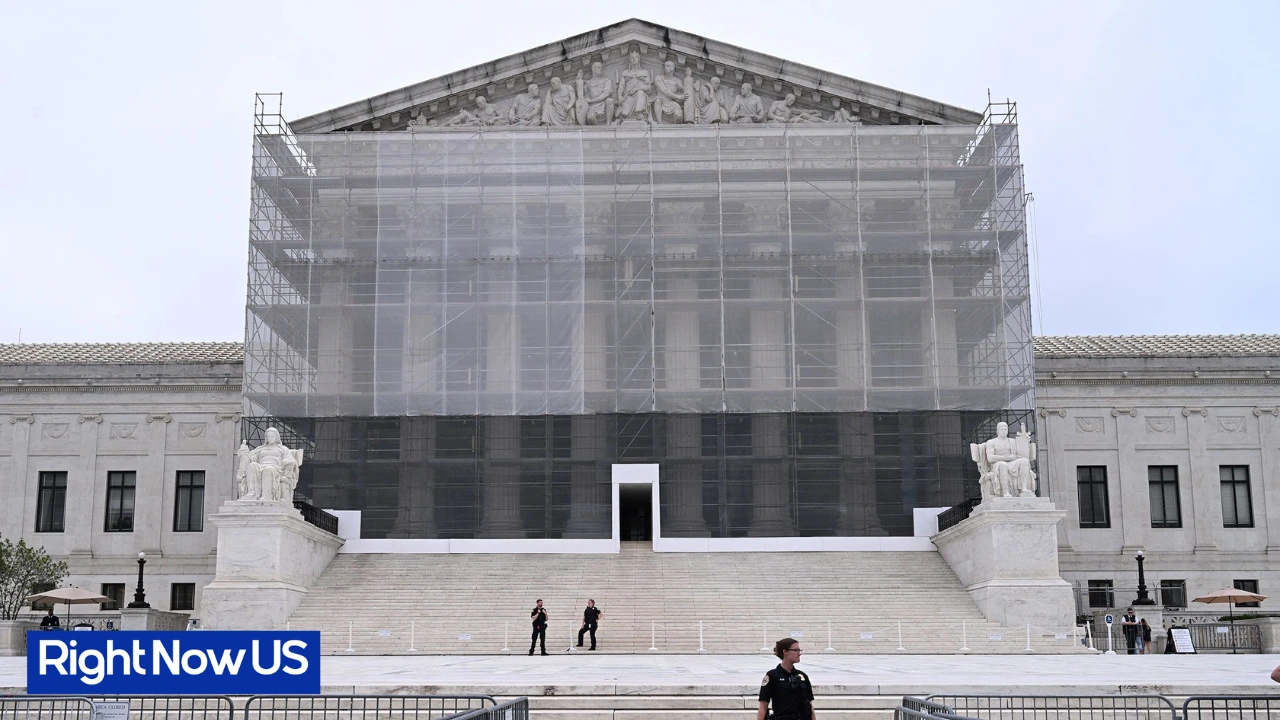

 WhatsApp Group
Former U.S. President Donald Trump has asked the Supreme Court to let his administration end legal protections for more than 300,000 Venezuelans who are currently living in the United States under the Temporary Protected Status (TPS) program.
What is TPS
TPS is a program that allows people from countries facing war, violence, or severe crises to live and work legally in the U.S. without fear of deportation. Venezuelans were given this protection in 2023 due to the political and economic crisis in their country.
Why Trump went to the Supreme Court
Earlier this month, a federal judge ruled that the Department of Homeland Security could not remove TPS for Venezuelans, saying the government acted unlawfully. The Trump administration strongly disagreed and quickly filed an emergency request asking the Supreme Court to overturn the judge’s decision.
According to Trump’s legal team, continuing the protection is not in the national interest. They argue that conditions in Venezuela have improved and that the Secretary of Homeland Security has full authority to end TPS.
What opponents say
Immigrant advocates and legal groups say that ending TPS for Venezuelans would harm families who are living and working legally in the U.S. They also argue that the government’s move was rushed and did not follow proper legal procedures.
What happens next
The Supreme Court will now decide whether to allow the administration to end TPS while the case continues in lower courts.
- If the Court agrees with Trump, many Venezuelans could lose their right to work and face the risk of deportation.
- If the Court sides with the lower judge, TPS protections will remain in place until the legal battle is finished.
Why this matters
This case could affect hundreds of thousands of Venezuelans who built their lives in the U.S. It is also an important test of how much power the government has to decide who qualifies for humanitarian protections.
For now, Venezuelans under TPS remain protected, but the Supreme Court’s upcoming decision will be crucial for their future.


 By
By