 Cart is empty

 WhatsApp Group
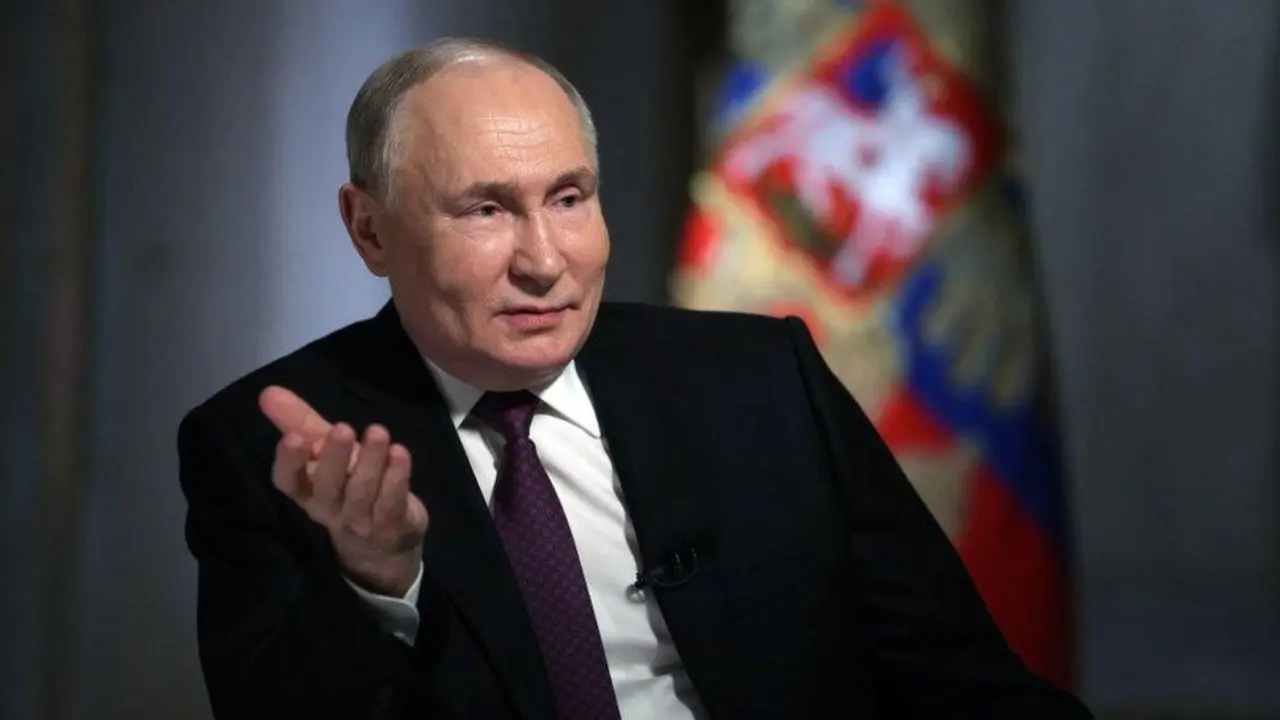
Russian President Vladimir Putin is attempting to balance global diplomacy with domestic stability, unveiling new proposals on nuclear arms control while defending his government’s handling of Russia’s slowing economy.
Call to Extend Nuclear Treaty
Putin has offered the United States a one-year extension of the New START treaty, the last remaining nuclear arms agreement between the two nations. The deal, set to expire in February 2026, limits both sides to 1,550 deployed nuclear warheads and 700 launchers and bombers.
Kremlin officials argue that extending the treaty without changes would prevent a dangerous arms race, even as inspections and compliance measures remain suspended due to strained relations over the war in Ukraine.
Washington has welcomed the proposal with cautious optimism. The White House described Putin’s offer as “constructive,” though further negotiations will determine whether both sides can reach a formal agreement
Russia’s Economic Outlook
Domestically, Putin acknowledged that Russia’s economy has slowed, with two consecutive quarters of declining output. However, he rejected the idea that the country is in recession, insisting that the slowdown is part of a deliberate effort to control inflation and maintain financial stability.
Western sanctions continue to weigh heavily on Russia, limiting access to global markets and advanced technologies. In response, Putin has urged greater investment in domestic industries, including aerospace, missile technology, and energy infrastructure, while strengthening trade ties with non-Western partners.
Strategic Positioning
Analysts suggest that Putin’s dual messaging reflects both diplomacy and political necessity.
- The nuclear treaty proposal positions Russia as a “responsible actor” in arms control, potentially giving Moscow leverage in wider geopolitical talks.
- At home, assurances about the economy are aimed at maintaining public confidence and elite loyalty in the face of sanctions and inflation pressures.
- Putin is also increasingly centralizing decision-making, with reports of reshuffles and loyalty-driven appointments inside the Kremlin.
Looking Ahead
The coming months will test whether Putin’s strategy pays off:
- Will the U.S. accept a temporary arms deal to keep nuclear limits in place?
- Can Russia’s economy withstand sanctions while relying more heavily on domestic production and new global alliances?
- And how will growing political centralization affect Putin’s grip on power?
For now, Putin is presenting himself as both a guardian of global security and a protector of Russia’s stability, even as the challenges at home and abroad intensify.


 By
By