 Cart is empty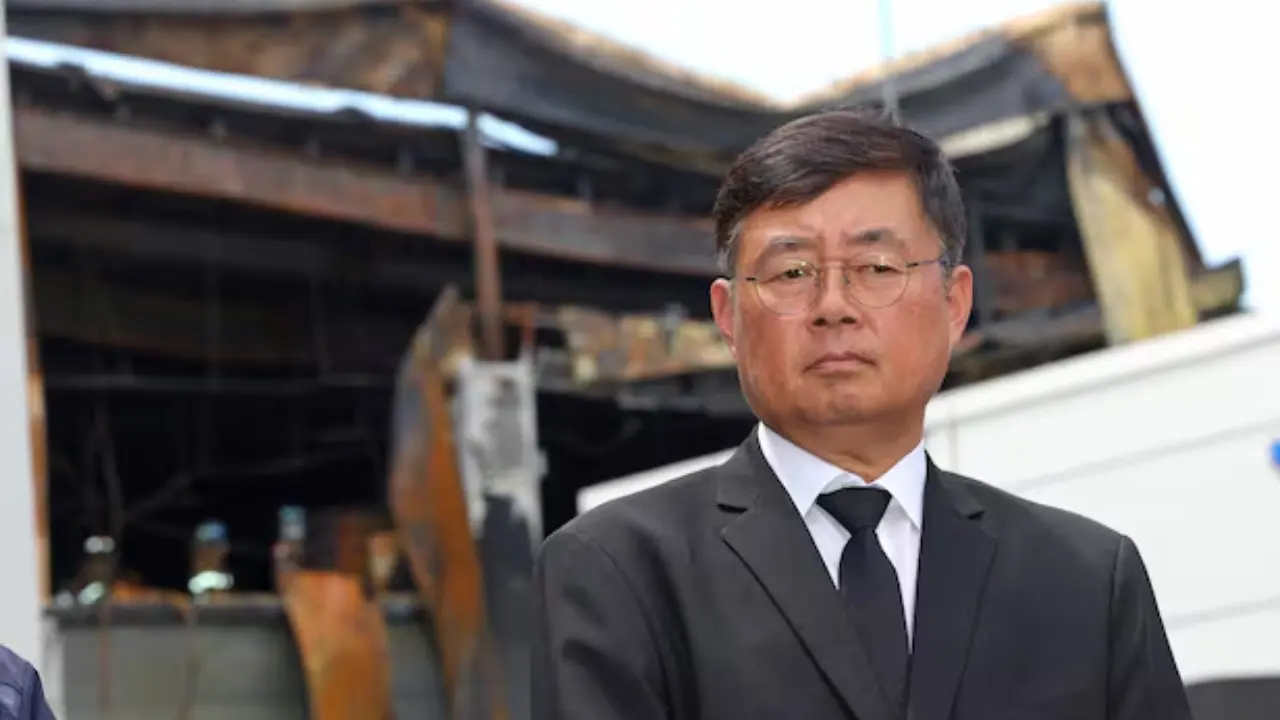

 WhatsApp Group
Landmark Ruling: CEO Sentenced for Hwaseong Battery Plant Fire
In a historic decision, South Korea jails CEO of a battery maker for 15 years following a deadly blaze at the Aricell lithium battery plant in Hwaseong. The catastrophic South Korea deadly fire 2025 killed 23 workers and injured several others, making it one of the worst industrial accidents in recent years.
The battery maker CEO sentenced was identified as Park Soon-kwan, head of Aricell, along with his son, who also received a 15-year sentence. This marks the toughest punishment under South Korea’s industrial safety law to date.
How the Hwaseong Battery Factory Fire Happened
The Hwaseong battery plant fire broke out in June 2024, spreading rapidly through stacks of lithium batteries stored inside the facility.
- 23 workers died, many of them temporary and foreign workers.
- Several others were injured in the South Korea factory fire.
- Investigations revealed a lack of safety measures, blocked emergency exits, and ignored warnings.
Authorities determined that negligence and failure to meet safety obligations were directly responsible for the scale of the tragedy.
Industrial Safety Law and the Serious Accidents Punishment Act
The Aricell CEO prison sentence is the most severe handed down since the introduction of the Serious Accidents Punishment Act in 2022.
- The law makes top executives criminally liable for workplace disasters.
- Previously, sentences under this act were short, usually 2 years or less.
- The CEO sentenced 15 years in South Korea shows a shift toward stricter accountability.
Legal experts believe this ruling will become a landmark industrial safety case in South Korea, forcing other companies to prioritize worker safety over production deadlines.
Reactions to the CEO Sentencing
- Victims’ families welcomed the decision, saying justice was finally served after years of neglect in workplace safety.
- Labor unions argued that the case exposed systemic issues in South Korea’s manufacturing sector.
- President Lee Jae Myung emphasized that worker safety in South Korea must become a national priority.
The ruling highlights South Korea’s growing commitment to holding CEOs accountable for industrial accidents.
Why This Case Matters
This South Korea factory fire news carries global significance for industries dealing with hazardous materials like lithium batteries. Key takeaways include:
- Worker protection: Stronger enforcement of safety measures is needed for permanent and temporary workers.
- Corporate responsibility: The battery maker CEO sentenced shows negligence will no longer be tolerated.
- Global impact: Other countries may look to South Korea’s example as they handle workplace safety reforms.
Conclusion
The South Korea CEO sentenced 15 years for the Hwaseong battery plant fire is a powerful reminder of the human cost of corporate negligence. The tragedy that killed 23 workers has reshaped how South Korea enforces its industrial safety law and will likely drive companies to improve workplace protections in the future.


 By
By