
 Cart is empty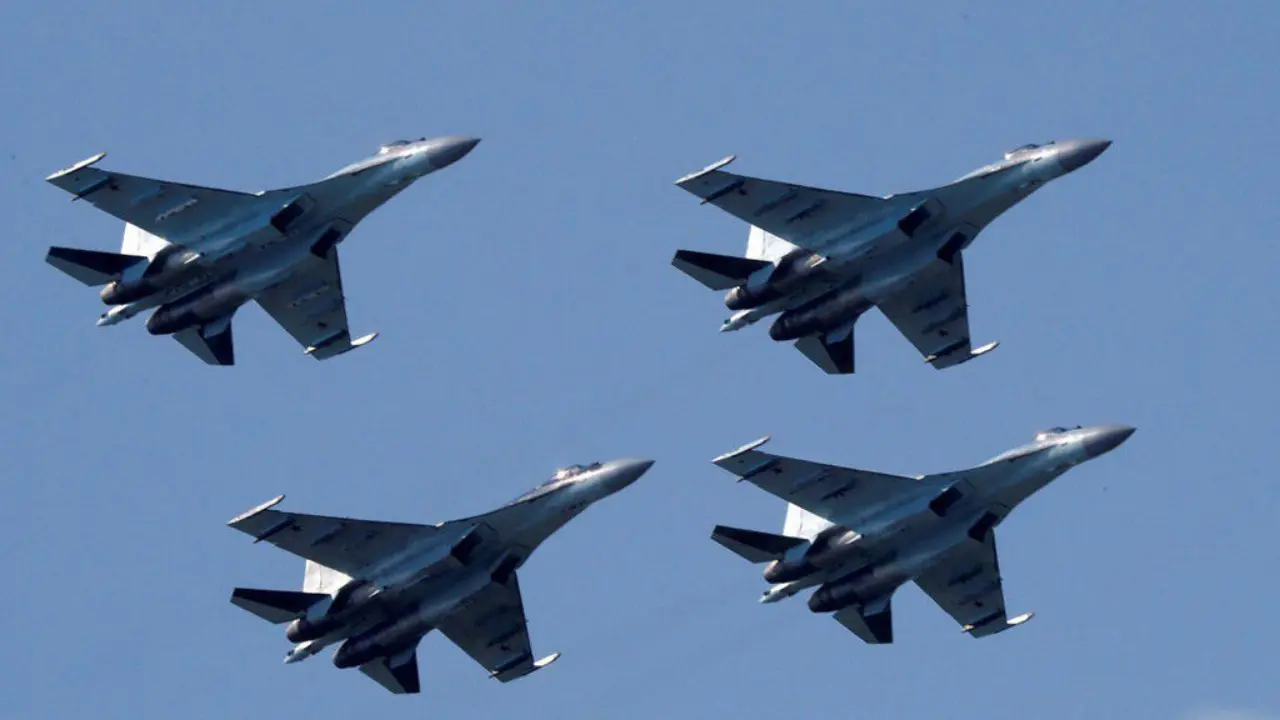

 WhatsApp Group
The North American Aerospace Defense Command (NORAD) confirmed that U.S. fighter jets were scrambled to intercept Russian warplanes near Alaska this week, marking the latest in a series of tense encounters in the Alaskan Air Defense Identification Zone (ADIZ).
The intercepted formation reportedly included two Russian Tu-95 strategic bombers and two Su-35 fighter jets, which were tracked as they entered the ADIZ but remained in international airspace. NORAD deployed F-16 fighter jets, an E-3 Sentry early warning aircraft, and KC-135 refueling tankers to identify and escort the Russian planes.
Officials stressed that the Russian warplanes did not breach U.S. or Canadian sovereign airspace, but the incident underscores the importance of constant vigilance in U.S. air defense readiness.
Why This Matters
Encounters like these are increasingly common, with Russian aircraft near Alaska frequently triggering U.S. military intercepts. Defense experts note that such flights are often designed to test U.S. and allied response times.
The Alaskan ADIZ intercepts are a critical component of U.S. national security, as the region represents one of the shortest air routes between Russia and North America. Each scramble showcases America’s ability to respond quickly and deter potential threats.
Broader Context
This incident follows several recent NORAD intercepts of Russian aircraft in the region, including reconnaissance planes and bombers. Analysts believe the operations are part of Moscow’s strategy to project military strength and challenge U.S. presence in the Arctic.
Military officials highlight that while these intercepts occur in international airspace, the risk of miscalculation remains high. Close aerial encounters between heavily armed jets from rival nations can escalate quickly if not handled with restraint.
Strategic Importance of Alaska
The air defense zone Alaska serves as a frontline for U.S. military readiness. With both Russia and China increasing their activities in the Arctic and Pacific, NORAD’s mission to detect, track, and intercept intrusions into the Alaskan ADIZ has become more critical than ever.
The U.S. and Canada continue to modernize their air defense systems to ensure rapid response against any Russian aircraft near Alaska or joint operations involving Moscow and Beijing.
Conclusion
The latest incident, where U.S. fighter jets scrambled to intercept Russian warplanes near Alaska, highlights the growing geopolitical tensions and the need for unwavering vigilance in defending North American airspace. While no sovereign territory was violated, these Alaska intercepts remain a reminder of the fragile balance between deterrence and escalation in modern global security.


 By
By