 Cart is empty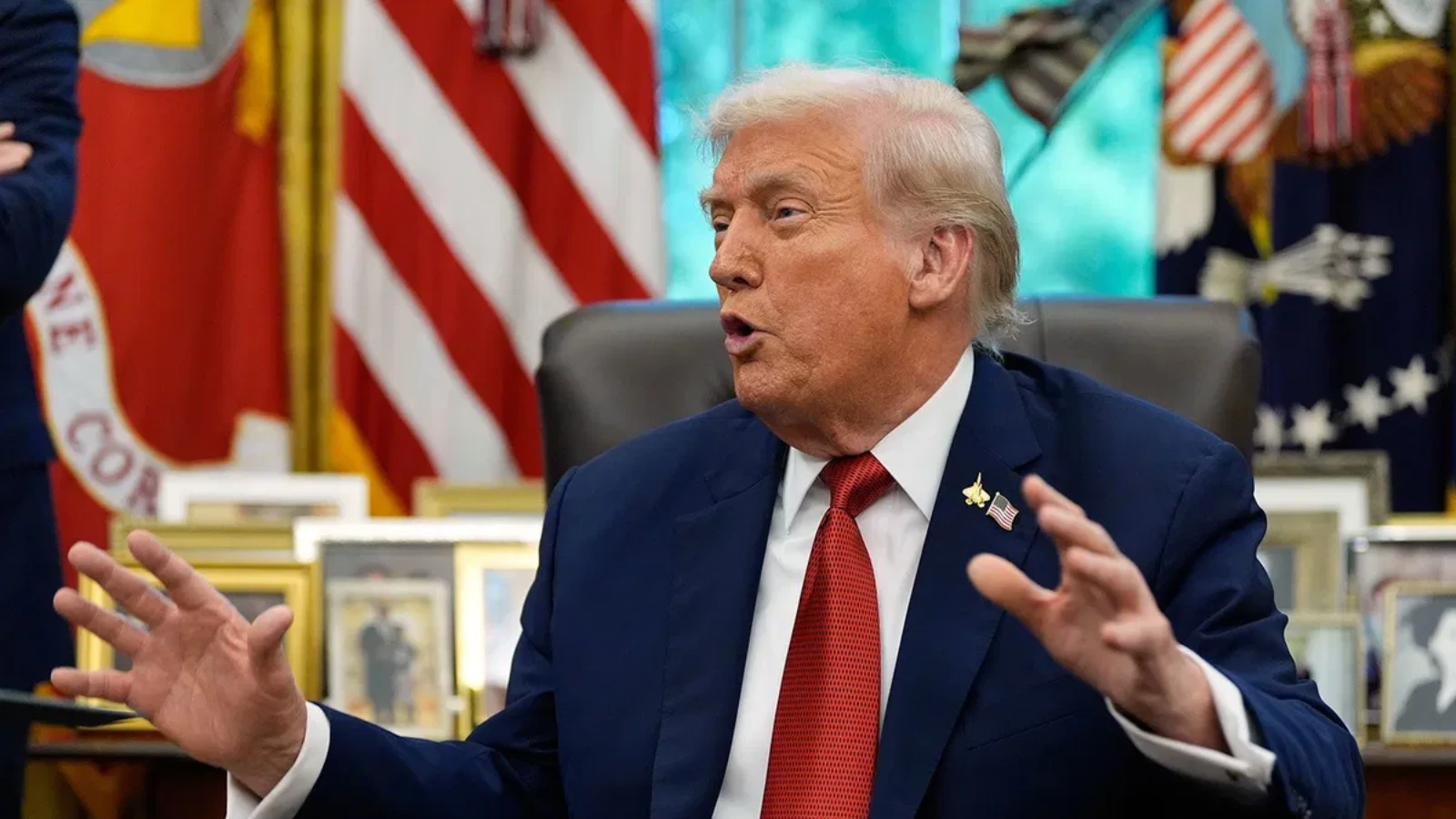

 WhatsApp Group
U.S. President Donald Trump has made it clear that he will not allow Israel to annex the West Bank, a statement that could have a big impact on the future of the Middle East conflict.
Speaking to reporters at the White House on Thursday, Trump said: “I will not allow Israel to annex the West Bank. It’s not going to happen.” He explained that the situation has gone too far and that it is time to stop any moves that could close the door on peace talks.
Why This Matters
The West Bank is a central issue in the Israeli-Palestinian conflict. Many Palestinians see it as the land for their future state, while some Israeli leaders and right-wing groups want to make it part of Israel permanently. Annexation would mean Israel officially claiming parts of the West Bank as its own territory, which most of the world strongly opposes.
Israel’s Political Pressure
Israeli Prime Minister Benjamin Netanyahu and his government have been under pressure from hardline ministers who want to push for annexation and expand settlements. Finance Minister Bezalel Smotrich has even suggested that Israel should take over most of the West Bank.
Trump’s remarks are seen as a warning to Netanyahu, who is currently in New York for the United Nations General Assembly.
International Reactions
Many countries, including key Arab nations, have said annexation would cross a “red line.” The United Arab Emirates recently warned Israel against such a move, while several other countries have stepped up support for Palestinian statehood.
Trump’s statement may be welcomed by these countries, as it shows the U.S. is ready to step in and limit Israeli actions.
What Happens Next
It is still not clear how Trump plans to stop annexation if Israel moves ahead. Experts believe he could use diplomatic pressure or economic tools, but no details have been shared yet.
For now, Trump’s words mark one of the strongest U.S. positions against annexation in recent years, especially considering his history of supporting Israel.
The coming days will be important, as Netanyahu’s talks in the U.S. may reveal how this new stance will affect relations between Washington and Tel Aviv.


 By
By