 Cart is empty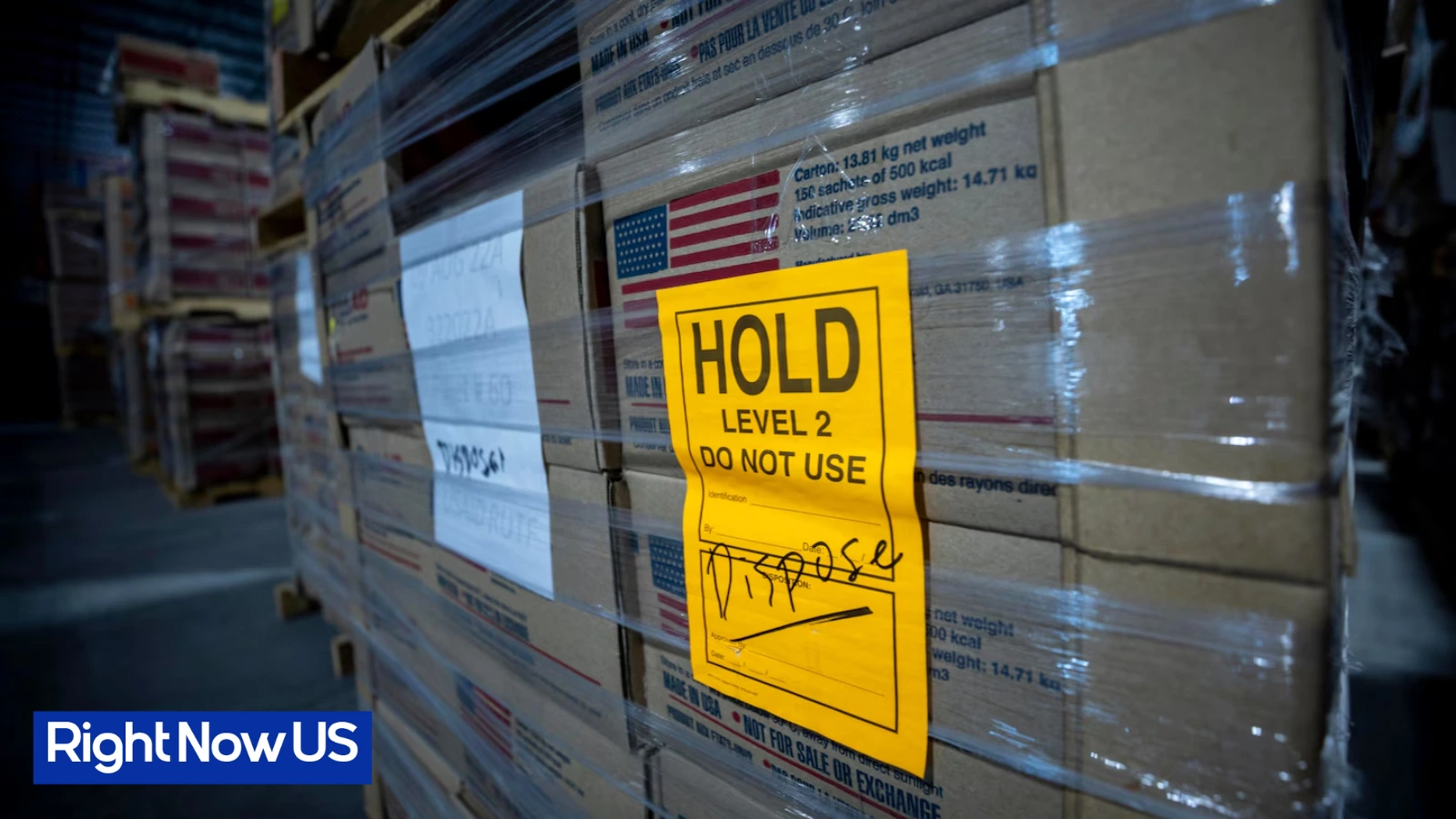

 WhatsApp Group
The U.S. Supreme Court has given the Trump administration the green light to continue freezing billions of dollars in foreign aid, a move that has sparked strong reactions at home and abroad. The ruling came on September 26, 2025, and is being seen as a significant moment in the ongoing power struggle between Congress and the White House.
What Happened
The Trump administration had earlier ordered a freeze on more than 4 billion dollars in foreign aid programs, saying that the funds needed to be reassessed to better match U.S. priorities. These programs included funding for global health, humanitarian relief, democracy projects, and development efforts around the world.
Aid groups and nonprofits quickly challenged the freeze, arguing that Congress had already approved the money and that the executive branch does not have the authority to block it. A lower court agreed with them and ordered the administration to release the funds. But now, with the Supreme Court’s decision, the freeze will stay in place while the legal battle continues.
What the Supreme Court Said
The Court’s ruling was 6-3 in favor of allowing the freeze. Importantly, the decision is not a final judgment on whether the administration’s action is legal. Instead, it is a temporary step that allows the freeze to continue while the courts decide the larger constitutional questions.
The justices noted that foreign policy decisions often fall under the President’s authority and warned that releasing the money now could interfere with U.S. strategy abroad. At the same time, they did not dismiss the argument that Congress controls the federal budget, leaving the door open for future challenges.
Why This Matters
This decision has major consequences. Billions of dollars in U.S. aid are now on hold, which could directly affect global health programs, food assistance, and humanitarian relief in many countries. Aid organizations warn that if the funds are not released before the U.S. fiscal year ends on September 30, some of the money could expire permanently.
Beyond the immediate impact on aid, this case also raises bigger questions about the balance of power in Washington. Critics argue that allowing the President to block funds already approved by Congress undermines the principle of separation of powers. Supporters, on the other hand, say the ruling strengthens America’s foreign policy position by giving the executive branch more control.
What Comes Next
The legal fight is far from over. Lower courts will continue to review whether the Trump administration’s freeze is lawful. However, even if the courts eventually rule against the freeze, some funds may already have expired, leaving many programs without support.
For now, the Supreme Court’s decision ensures that the Trump administration maintains control over billions in foreign aid spending, adding fresh tension to the political battle in Washington and uncertainty for communities around the world that rely on this assistance.
Related Questions People Are Asking
What did the Supreme Court rule on Trump’s immunity?
Earlier in 2025, the Supreme Court ruled that former presidents have partial immunity from prosecution for official acts carried out while in office. However, they do not have immunity for private actions or for conduct unrelated to official presidential duties. This ruling is now shaping how ongoing cases against Donald Trump are being handled.
Did Trump get rid of Executive Order 13989?
Executive Order 13989, issued in 2021, focused on ethics commitments by executive branch officials. The Trump administration has worked to roll back or weaken parts of this order, arguing it limits flexibility in hiring and decision-making. Critics say removing it could reduce accountability and transparency in government.
What was the Supreme Court decision on Trump v. Hawaii?
In Trump v. Hawaii (2018), the Supreme Court upheld the administration’s travel ban that restricted entry from several predominantly Muslim countries. The Court ruled 5-4 that the ban fell within the President’s authority over national security and immigration, despite widespread criticism and legal challenges.
What is Executive Order 14196 about?
Executive Order 14196, signed in 2025, focuses on border security and immigration enforcement. It expands resources for building surveillance systems, strengthens deportation policies, and directs agencies to increase coordination at U.S. borders. Supporters say it boosts national security, while opponents argue it restricts immigrant rights and humanitarian protections.
Key Takeaway: The Supreme Court’s ruling is temporary but powerful. It allows the Trump administration to keep foreign aid on hold and sets the stage for a much bigger fight over who controls the federal budget — Congress or the President.


 By
By