 Cart is empty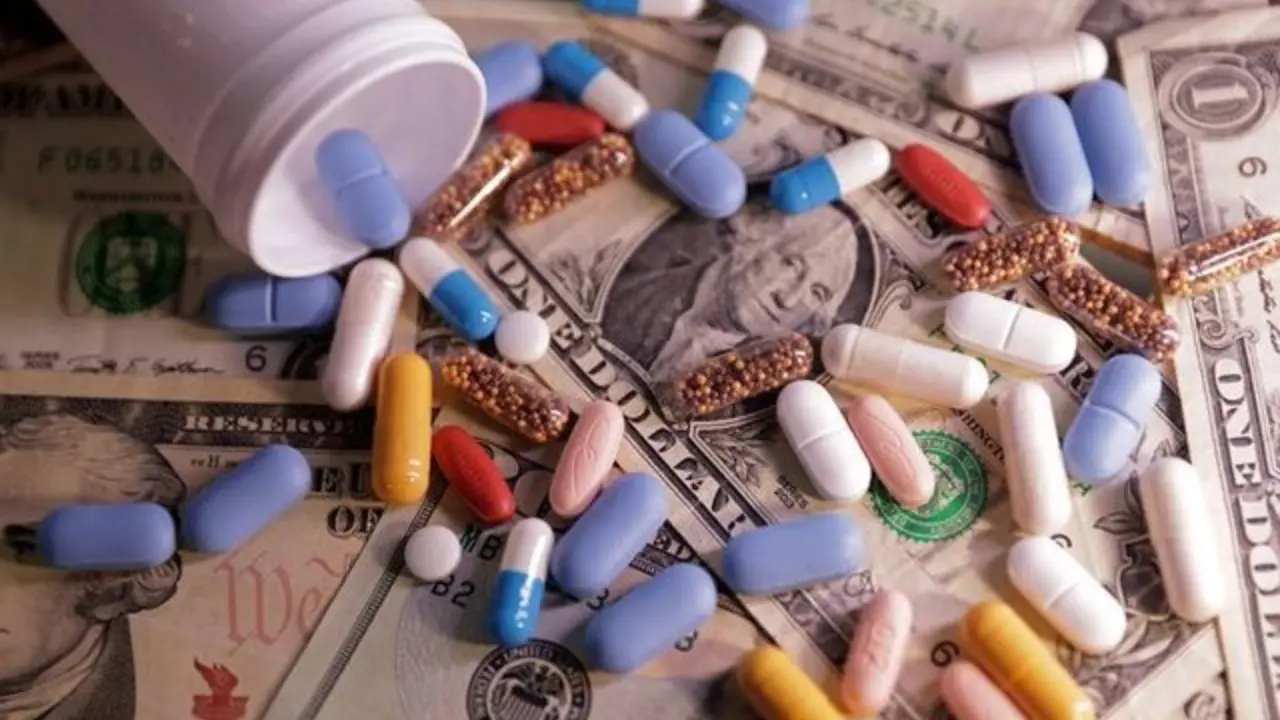

 WhatsApp Group
The announcement of 100% tariffs on branded and patented pharmaceuticals by President Donald Trump has sent shockwaves across the global healthcare industry. While the administration says the move is designed to push drugmakers to build manufacturing plants in America, experts warn the policy could raise drug prices, disrupt supply chains, and spark international trade disputes. Here are five key questions that industry analysts, legal experts, and health policy specialists are asking.
1. What Counts as “Breaking Ground” in the U.S.?
The White House has said that any pharmaceutical company “building or breaking ground on U.S. plants” will be exempt from the tariffs. But the lack of clarity is troubling. Will a simple construction permit qualify, or must a plant be near completion? Will the exemption apply to a company’s entire product line or just the drugs manufactured in that new facility? Experts fear companies may exploit loopholes, creating token projects just to avoid the tariffs.
2. Are the Tariffs Legally Defensible Under Trade Rules?
The pharmaceutical industry and trade lawyers are questioning whether these tariffs violate WTO rules and U.S. trade agreements. Traditionally, medicines have been protected from major tariff battles due to their importance to public health. Trump may try to justify the move under national security or Section 232 authority, but experts warn of potential legal challenges in U.S. courts and at the WTO.
3. Will Drug Prices and Supply Chains Suffer?
For patients, the biggest concern is whether the new policy will mean higher drug prices and limited access. Tariffs will raise import costs, which drugmakers could pass on to consumers and insurers. Analysts also warn of supply chain disruptions, as many branded drugs rely on global raw material sources. Hospitals, pharmacies, and health systems may struggle to absorb the shock, possibly leading to drug shortages.
4. Which Companies Are Most Exposed?
The impact of the tariffs will vary. Big pharmaceutical companies with U.S. plants or expansion plans may survive the shift, while small biotech firms without major infrastructure could suffer. Interestingly, generic drug makers are currently exempt, giving them a competitive edge in the U.S. market. This raises questions about whether the tariff plan unfairly targets innovation-heavy biotech companies.
5. How Will Other Countries Respond?
The policy is already creating diplomatic friction. The UK and EU are pressing for exemptions, while India, a major pharma exporter, is monitoring the impact closely. Experts warn of potential retaliatory tariffs on U.S. goods, escalating into a wider trade war. At the same time, the move may force global pharmaceutical companies to reconsider where to invest and build plants, reshaping the industry’s future.
Conclusion
Trump’s pharmaceutical tariffs aim to revive U.S. manufacturing, but they also introduce uncertainty into a sector vital for global health. The lack of clarity on exemptions, possible legal challenges, rising costs, and international pushback all raise more questions than answers. For now, patients, companies, and policymakers are bracing for what could be one of the most disruptive trade policies in modern pharma history.


 By
By