
 Cart is empty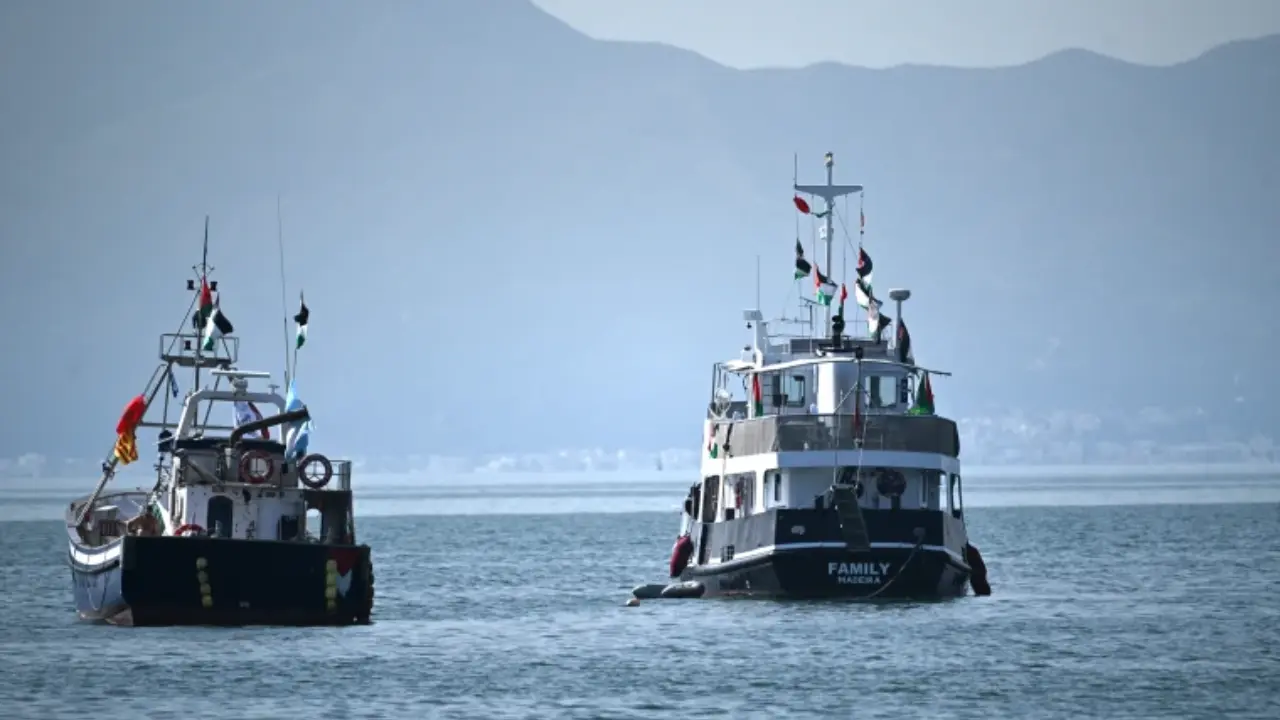

 WhatsApp Group
A Mission of Defiance and Solidarity
The Global Sumud Flotilla, a civilian-led convoy of boats carrying aid and international activists, has once again placed the spotlight on Gaza’s long-standing blockade. The flotilla, which set sail from ports in Spain, Italy, and Tunisia, was intended to deliver humanitarian assistance and to challenge Israel’s control of Gaza’s coastline.
Dozens of vessels and hundreds of participants from over 40 countries joined the effort, including well-known activists and political representatives. Their message was clear: break the siege and bring attention to the worsening humanitarian crisis in Gaza.
Drones, Explosions, and Communication Blackouts
Before reaching Gaza’s waters, the flotilla reported several incidents that raised international alarm. Organizers described drones hovering above boats, unexplained explosions at sea, and deliberate jamming of communications systems.
On one night alone, participants claimed that more than a dozen blasts occurred near their ships, creating panic among those onboard. Activists accused Israel of intimidation tactics meant to weaken morale, though Tel Aviv did not confirm direct responsibility for the alleged attacks.
Israeli Navy Steps In
By early October, as the flotilla neared Gaza, the Israeli navy launched a coordinated interception. Several vessels were boarded in international waters, and passengers—including activists, journalists, and public figures—were detained. Among those reported on board was Swedish climate activist Greta Thunberg, whose presence drew widespread media attention.
Israel defended the operation, insisting the flotilla attempted to violate a “legitimate security blockade.” Officials stated that humanitarian goods would be transferred to Gaza through existing Israeli-controlled entry points, though flotilla organizers dismissed this as undermining the symbolic purpose of their mission.
Interestingly, one ship, believed to be the Mikeno, was reported to have broken through the blockade before losing contact, fueling speculation that at least part of the mission succeeded.
International Backlash
The interception triggered a wave of global criticism. Governments in Turkey, Colombia, Spain, Malaysia, and Ireland denounced Israel’s actions as violations of maritime and humanitarian law. Colombia even escalated its response by expelling Israeli diplomats.
Public protests also erupted across Europe and Latin America, with solidarity marches taking place in Rome, Madrid, Brussels, and Dublin. Italian trade unions went as far as calling for a general strike, demanding stronger action against what they described as unlawful aggression.
Human rights organizations echoed these concerns, urging the United Nations and international courts to investigate the incident.
What Happens Next?
While dozens of activists are expected to be deported in the coming days, flotilla organizers say this is far from the end. They vow to continue sending ships until the Gaza blockade is lifted, framing their efforts as part of a global struggle for justice and freedom of movement.
Meanwhile, naval assets from Spain, Italy, and Turkey have been monitoring the situation, with some governments hinting at possible protective escorts for future humanitarian missions.
As tensions grow, the interception of the Global Sumud Flotilla highlights the unresolved conflict between Israel’s security policies and the international community’s demands for unrestricted humanitarian access to Gaza.
References
- Reuters – “Israel stops Gaza aid flotilla, detains activists including Greta Thunberg”
- AP News – “Israeli navy intercepts Gaza aid boats, global criticism follows”
- The Guardian – “One ship may have reached Gaza despite blockade, activists claim”
- Al Jazeera – “What we know so far about the Sumud Flotilla interception”
- HuffPost España – “Despite Israeli intimidation, the Global Sumud Flotilla continues its mission”


 By
By