
 Cart is empty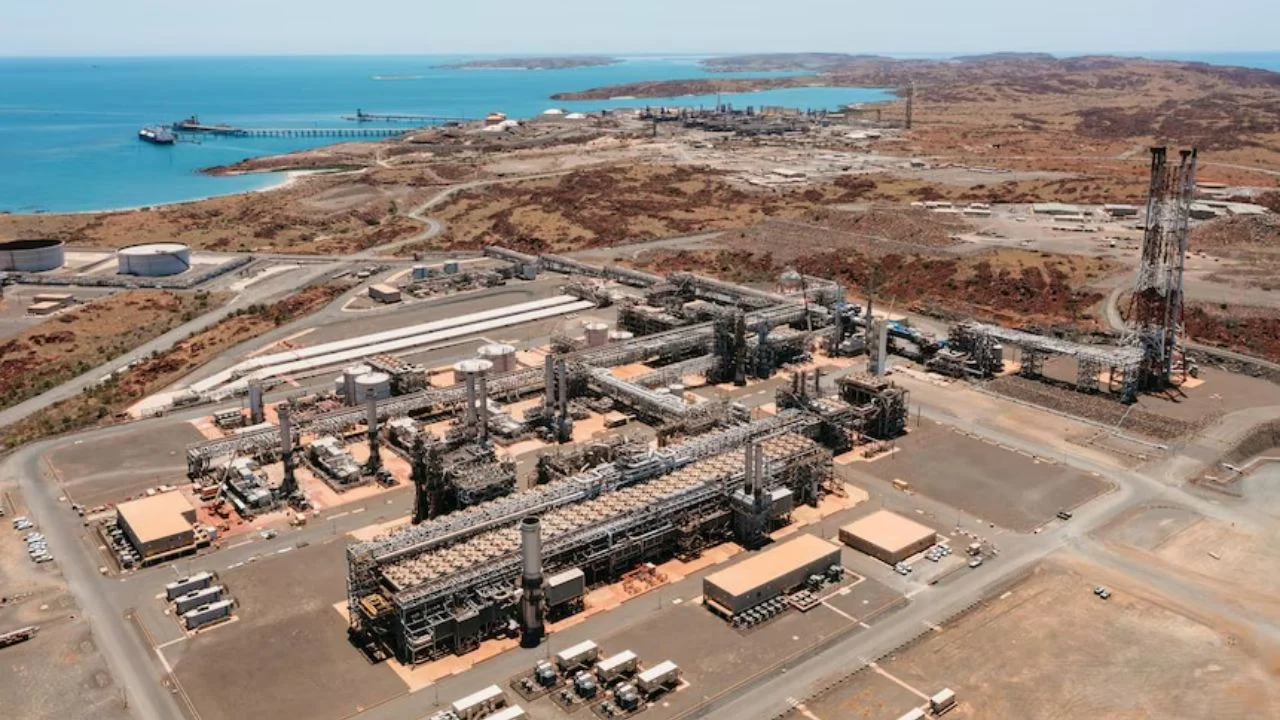

 WhatsApp Group
In a landmark decision, the Australian government has granted final approval for Woodside Energy’s North West Shelf (NWS) gas project to operate until 2070. The move marks one of the longest extensions ever approved for a fossil fuel project in the country, sparking sharp debate over climate policy, economic benefits, and the safeguarding of Indigenous cultural heritage.
What Is the North West Shelf Gas Project?
The North West Shelf project, located on the Burrup Peninsula in Western Australia, is Australia’s oldest and second-largest LNG facility, first commissioned in the 1980s. It has long been a backbone of Australia’s gas exports, delivering billions of dollars in revenue and powering domestic industries.
- Capacity: More than 16 million tonnes of LNG annually.
- Markets: Supplies energy to Japan, South Korea, and China—countries that remain heavily reliant on LNG for electricity.
- Local Economy: Provides thousands of jobs in the Pilbara region and generates significant royalty payments for Western Australia.
The Approval and Its Conditions
The government’s approval extends the project’s lifespan by 40 years, with strict conditions:
- Emission Reduction Targets:
- 60% cut by 2030 for nitrogen oxides and sulphur oxides.
- 90% cut by 2061 to prevent environmental damage and protect local ecosystems.
- Indigenous Heritage Protections:
- The Murujuga cultural landscape—home to over a million rock carvings, some dating back 40,000 years—has been partially shielded under heritage laws.
- Monitoring programs will track the effects of industrial emissions on these carvings, often referred to as the “world’s oldest art gallery.”
- Environmental Monitoring:
- Independent regulators will oversee compliance with 48 conditions covering air quality, biodiversity, and cultural impact.
Why This Matters Globally
This decision arrives at a critical time when the International Energy Agency (IEA) has warned against approving new fossil fuel projects if countries are to meet net-zero by 2050.
- Projected Emissions: Over the extended lifespan, the NWS project could generate 4.3 billion metric tons of carbon emissions—equivalent to more than 10 years of Australia’s current national emissions.
- International Reputation: Pacific Island nations, already vocal about Australia’s fossil fuel dependence, are likely to intensify pressure, arguing this decision undermines global climate solidarity.
Voices on Both Sides
Supporters say:
- The extension provides energy security for Australia and Asia.
- It protects jobs in Western Australia and contributes to long-term economic stability.
- Strict environmental conditions ensure a “balanced approach.”
Critics argue:
- Extending fossil fuel reliance until 2070 contradicts Australia’s climate commitments.
- Heritage protections are “partial” and may not be enough to prevent rock art degradation.
- The project could lock the nation into decades of high emissions, delaying the renewable transition.
Unique Perspective: A Clash Between Past and Future
The North West Shelf decision represents more than just an energy approval—it is a symbolic clash between:
- Ancient history: Murujuga’s rock art, considered by archaeologists as one of the most significant cultural sites on Earth.
- Modern industry: Australia’s LNG sector, a multibillion-dollar export industry critical to Asia’s energy demand.
- Future generations: Climate activists warn the decision could jeopardize Australia’s ability to protect its environment for children and grandchildren.
This contrast makes the project one of the most controversial in Australia’s modern history, as policymakers attempt to strike a balance between economic necessity and environmental responsibility.
Looking Ahea
While Woodside has secured a green light, the battle is far from over:
- Legal Challenges: Environmental groups and Indigenous custodians are preparing potential lawsuits.
- Global Scrutiny: The decision may feature in climate diplomacy forums such as COP30 in Brazil next year.
- Transition Risks: Investors are watching closely, with concerns about “stranded assets” if global demand for LNG declines faster than expected.
Conclusion
Australia’s approval of the North West Shelf project until 2070 is a defining moment in its energy and climate policy. For some, it secures economic prosperity and energy stability; for others, it threatens the very cultural and environmental heritage that defines the nation.
As the world accelerates towards a renewable future, Australia has chosen to double down on LNG—setting the stage for one of the most critical debates of the coming decades.


 By
By