
 Cart is empty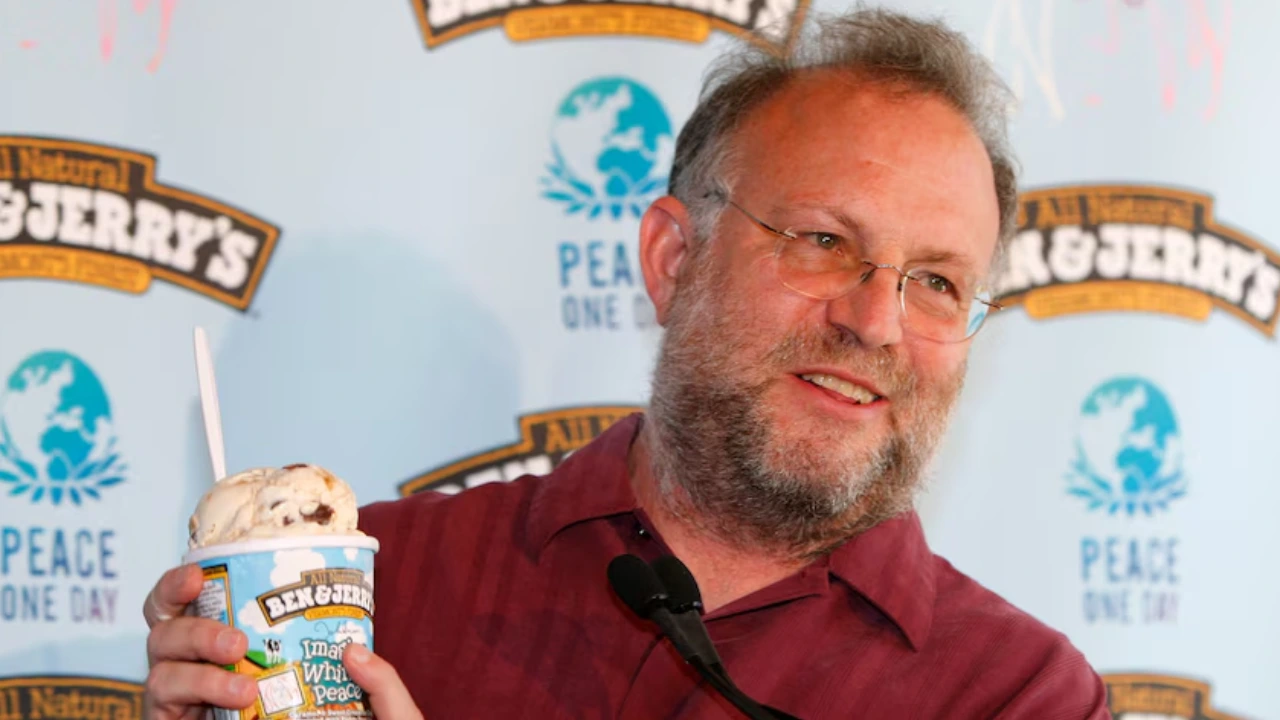

 WhatsApp Group
Jerry Greenfield, co-founder of the famous ice cream brand Ben & Jerry’s, has resigned after 47 years. He says that since Unilever bought the company, the brand’s freedom to speak out on social issues has been cut.
What Happened
- Jerry Greenfield has officially left Ben & Jerry’s. He said he can no longer stay because the company has lost the ability to act freely on social and human rights issues.
- The problem, Greenfield says, is that Unilever (which bought Ben & Jerry’s in 2000) has been limiting or silencing the company’s social mission. Greenfield believes Unilever has not respected the agreement made at the time of that merger.
Why the Dispute Started
- When Ben & Jerry’s was sold to Unilever, the deal included a special agreement (a merger agreement) that was meant to protect its social values and allow it to speak out on political and social issues.
- Over recent years, there have been conflicts:
- In 2021, Ben & Jerry’s decided to stop selling ice cream in Israeli settlements in the occupied West Bank. That created controversy and tension with Unilever.
- In 2024, the company filed a lawsuit accusing Unilever of trying to silence it over its stance on Gaza and other social issues.
- There were also issues about the removal of the CEO, social media posts being blocked or altered, and calls for more independence.
What Greenfield Says
- He wrote a letter (published by cofounder Ben Cohen) saying it is painful and disappointing to conclude that Ben & Jerry’s independence is gone.
- He said the company has been “silenced and sidelined” over fears of upsetting those in power.
- He believes the brand should be free again from corporate control so it can continue its mission of justice, equity, and human rights.
What Unilever / Magnum Ice Cream Company Say
- Unilever is spinning off its ice cream division, under a unit called The Magnum Ice Cream Company. Ben & Jerry’s is part of that unit.
- The company says it disagrees with Greenfield’s view. They claim they still support Ben & Jerry’s values and are open to dialogue.
What This Means
- Greenfield’s exit signals a serious rift over how companies balance activism with corporate control.
- It raises questions about whether large parent companies can maintain the founding values of smaller brands they acquire.
- For Ben & Jerry’s fans and watchers of corporate social responsibility, this is seen as a test of whether values can survive inside big business structures.
Background: Ben & Jerry’s and Its Social Mission
- The ice cream company was founded in 1978 by Ben Cohen and Jerry Greenfield. It has long been known for activism: supporting causes such as climate change, refugee rights, LGBTQ+ rights, racial justice and more.
- When Unilever purchased the company in 2000, one condition was that Ben & Jerry’s could keep its independent board and social mission.
What to Watch Next
- Will there be further legal actions or changes to the company’s governance? Ben & Jerry’s board is already suing Unilever over alleged breaches.
- Will the brand regain independence or make structural changes to restore its voice?
- How will consumers respond? Will this affect the brand’s reputation?
- As Unilever spins off the ice cream division, there may be new leadership or ownership changes.
Conclusion
Jerry Greenfield’s departure marks an important moment. It is a reminder that corporate values and social activism are not just slogans but can clash with business decisions. Brands like Ben & Jerry’s are known as much for their principles as their flavours. For many, the hope now is that those principles survive — inside or outside the company.


 By
By