 Cart is empty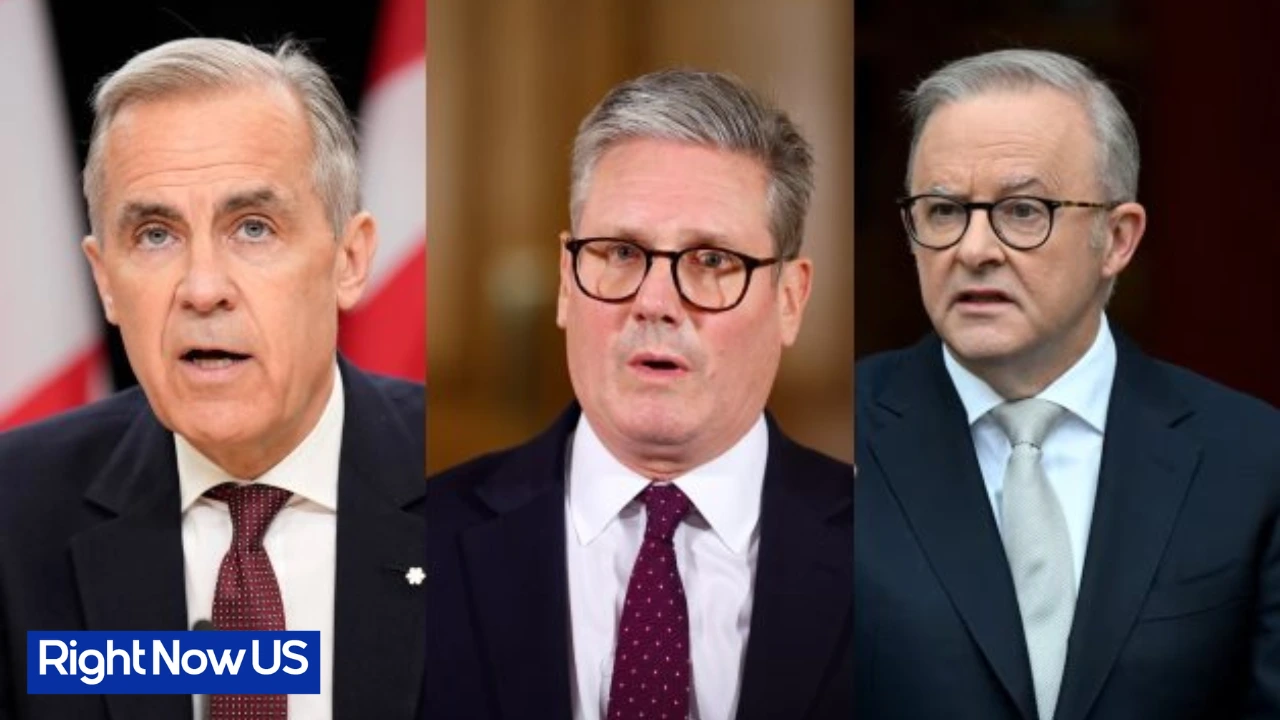

 WhatsApp Group
A historic decision
In a major diplomatic shift, Britain, Australia, Canada, and Portugal have officially recognized the State of Palestine. The announcement came on September 21, 2025, marking one of the most significant international moves in recent years on the Israel-Palestine conflict.
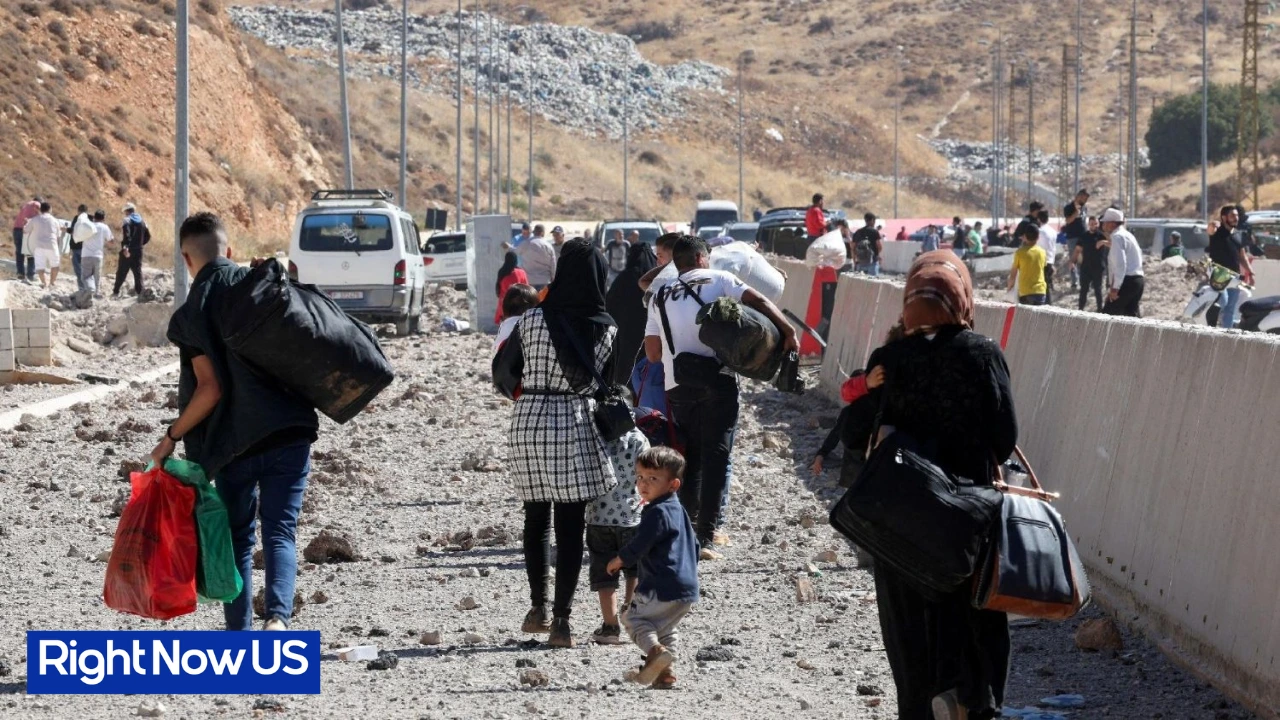
This decision is seen as a direct response to the ongoing humanitarian crisis in Gaza and the lack of progress in peace talks. For decades, these countries had delayed recognition, saying it should only come after a peace deal between Israel and the Palestinians. Now, they have acted without waiting for negotiations.
Why now
- Humanitarian situation: The war in Gaza and the suffering of civilians have raised global pressure on governments to take a stand.
- Stalled peace process: Talks have been frozen for years, while Israeli settlement expansion has continued in the West Bank.
- Domestic pressure: Citizens, rights groups, and political parties in these countries have called for action to push peace forward.
What leaders said
- Britain: Prime Minister Keir Starmer said recognition is aimed at “restoring hope for peace” and supporting a two-state solution.
- Canada: Prime Minister Mark Carney said the move is about supporting peace and not about punishing either side.
- Australia: Prime Minister Anthony Albanese backed recognition but stressed that Palestinians must commit to governance reforms and exclude Hamas from leadership.
- Portugal: Foreign Minister Paulo Rangel said recognition reflects Portugal’s long-held position that two states are the only path to lasting peace.
How others reacted
- Israel strongly condemned the move. Prime Minister Benjamin Netanyahu said a Palestinian state “will not be established” under such conditions, calling the recognition a reward for terrorism.
- Palestinian leaders welcomed the recognition, calling it a historic step toward justice and self-determination.
- Other countries such as France and several European states are reportedly considering similar recognition in the coming days.
- The United States gave a cautious response, with officials calling the decision “performative” while stressing that Israel’s security remains a top priority.
What this recognition means
- It boosts Palestine’s diplomatic legitimacy and adds weight to its presence in international forums.
- It increases pressure on both Israel and the Palestinians to restart talks.
- It signals a change in Western policy, showing that waiting indefinitely for negotiations is no longer acceptable.
However, recognition does not automatically change realities on the ground. Borders, governance, and security arrangements remain unresolved. Full UN membership for Palestine still requires approval from the Security Council and the General Assembly.
What happens next
- More nations could follow with similar announcements during upcoming UN meetings.
- Israel may try to counter these recognitions through diplomatic and political channels.
- Global discussions will likely focus on ceasefires, humanitarian aid, and the framework for a two-state solution.
Why it matters
The recognition of Palestine by four close allies of the United States and Israel marks a turning point in the international approach to the conflict. For the first time, key Western countries have broken with the long-held stance of waiting for peace talks before recognition.
Whether this move brings both sides closer to peace or deepens divisions will depend on what comes next. But one thing is clear: the world is signaling that the status quo cannot continue.


 By
By