 Cart is empty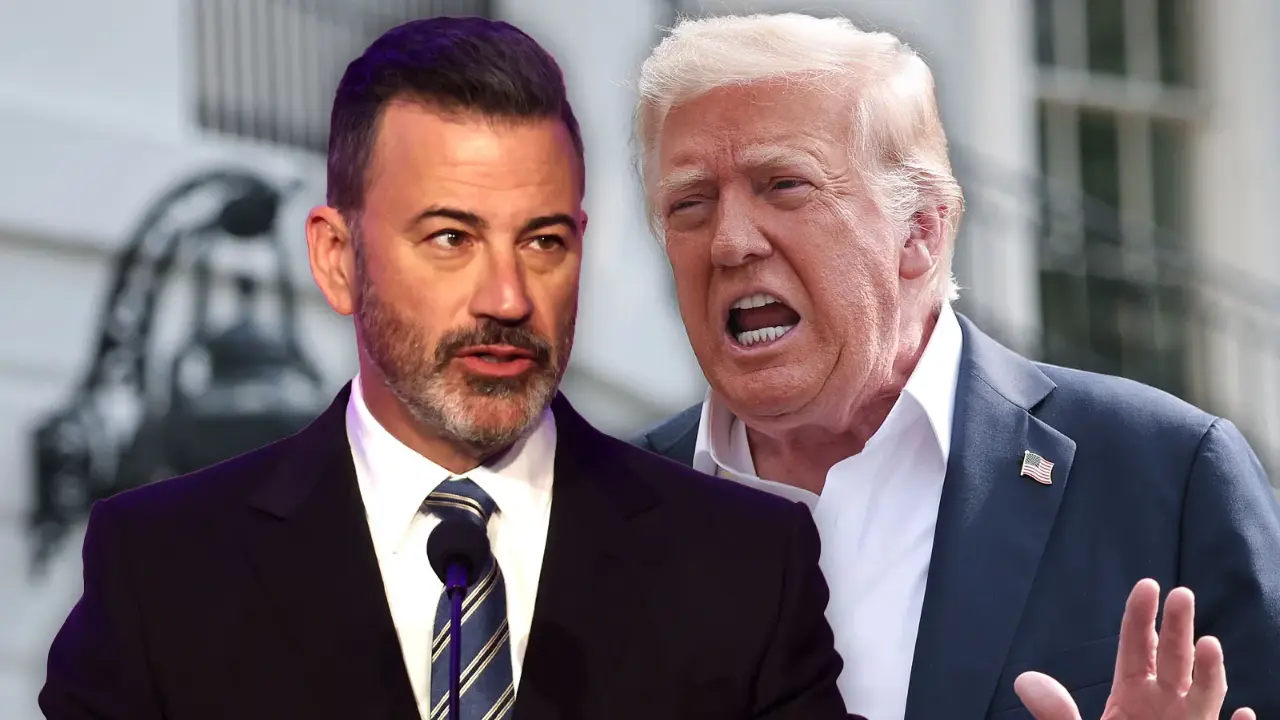

 WhatsApp Group
September 23, 2025 | Washington, D.C. / New York
The start of this week brings two very different headlines in American politics and global diplomacy: Jimmy Kimmel’s controversial return to late-night television and President Donald Trump’s high-stakes address at the United Nations, where debate over Palestinian statehood has created a major rift between the U.S. and its closest allies.
Kimmel Back on Air After Suspension Drama
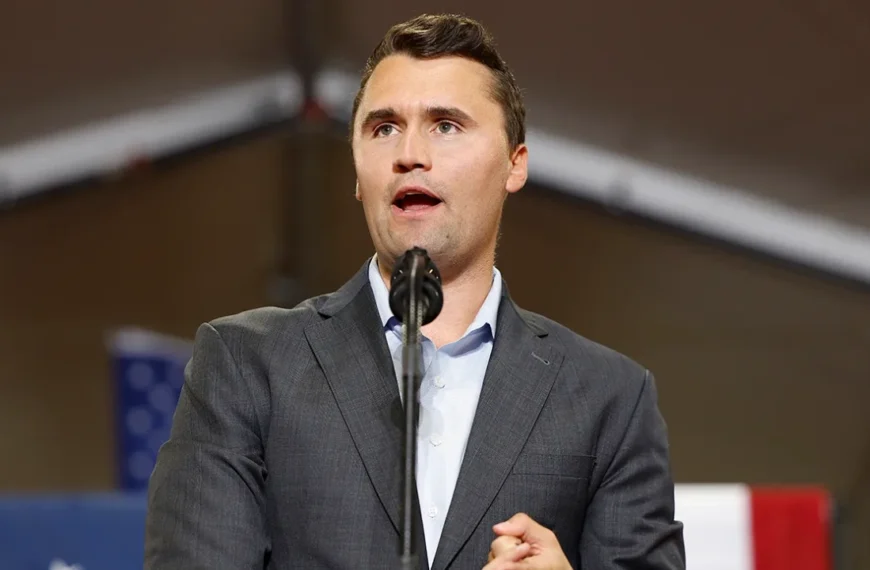
After days of uncertainty, Jimmy Kimmel Live! is set to return to television on Tuesday night. The late-night host had been off air following backlash over remarks he made after the assassination of conservative activist Charlie Kirk. Kimmel’s comments drew criticism from political figures and conservative networks, with major affiliates briefly pulling his show from their schedules.
ABC confirmed his return, stating the program would continue “with thoughtful dialogue and responsible coverage.” However, not all stations are on board. Broadcasting giant Sinclair has said it will not air the show unless Kimmel apologizes directly to Kirk’s family and makes donations to causes tied to the conservative movement.
The controversy has sparked a wider conversation about the boundaries of political comedy, the influence of media regulators, and the role of corporate affiliates in deciding what content reaches viewers.
Trump to Face World Stage at U.N.
While entertainment headlines dominate at home, President Trump is preparing to address the U.N. General Assembly in New York. The gathering comes at a tense moment: the war in Gaza, ongoing conflict in Ukraine, and renewed debate over the future of Palestinian statehood.
In recent weeks, several U.S. allies — including the United Kingdom, Canada, Australia, Portugal, and France — have formally recognized Palestine as a state. These announcements, often symbolic but politically significant, are intended to push forward long-stalled negotiations toward a two-state solution.
The White House has strongly opposed these moves. Press Secretary Karoline Leavitt argued that recognizing Palestine “rewards Hamas” and undermines ongoing efforts to secure the release of hostages and end the Gaza war.
A Growing Rift With Allies
For decades, the United States has played a central role in Middle East peace negotiations, often working in lockstep with European partners. But the recent wave of recognitions has revealed a rare split.
- Israel’s position: Prime Minister Benjamin Netanyahu condemned the recognitions, calling them a “gift to terrorism,” and some voices in his coalition are urging annexation of parts of the West Bank.
- U.S. stance: The Trump administration insists that statehood must be tied to security guarantees and negotiated outcomes, not unilateral recognition.
- Allied view: Supporters of recognition argue it gives Palestinians a legitimate platform in international diplomacy and pressures both sides toward renewed talks.
Trump’s speech is expected to deliver a firm rejection of these recognitions, while also reiterating his long-standing criticism of the U.N. as ineffective and overly reliant on U.S. financial support.
What This Means
- At home: Kimmel’s return will test how much influence political backlash and affiliate pressure can have on network programming. The controversy highlights the tension between freedom of expression and corporate caution in a polarized climate.
- Abroad: The U.N. stage will showcase sharp divides between Washington and key allies on how to resolve the Israeli-Palestinian conflict. With humanitarian concerns mounting in Gaza and hostilities ongoing, the gap in strategy could complicate future peace efforts.
Final Word
From late-night television to the world’s largest diplomatic stage, America is navigating moments that reveal deep divisions — at home and abroad. Kimmel’s reinstatement marks a test for media independence, while Trump’s U.N. appearance will be closely watched for signals of how far the U.S. is willing to diverge from its allies in shaping the future of the Middle East.


 By
By