 Cart is empty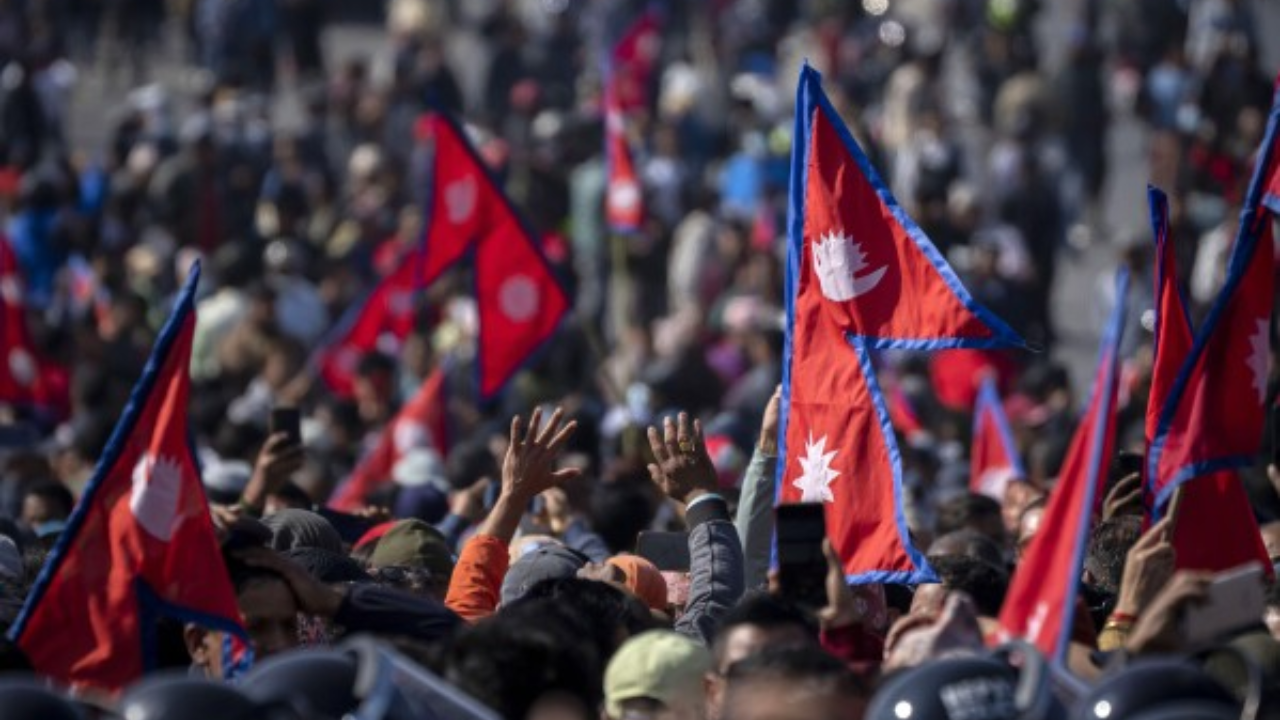

 WhatsApp Group
Nepal has announced that its next general elections will take place on 5 March 2026. The decision comes after weeks of protests, political changes, and the formation of a new interim government.
Why Elections Were Announced
Recently, Nepal faced large youth-led protests against corruption and poor governance. These demonstrations turned violent, leading to the resignation of former Prime Minister K.P. Sharma Oli. To calm the situation and restore stability, President Ram Chandra Poudel dissolved Parliament and set a new election date.
Interim Government Formed
Until the elections, Nepal will be run by an interim government. It is led by Sushila Karki, a respected former Chief Justice, who has become the country’s first female Prime Minister. Her main role is to manage daily affairs and prepare for a fair election.
How the Elections Will Work
- Nepal’s House of Representatives has 275 seats.
- 165 members will be chosen directly by voters in local constituencies.
- The other 110 seats will be filled through proportional representation, where political parties gain seats based on the percentage of votes they receive nationwide.
Importance of the 2026 Elections
This election is seen as very important for Nepal’s future:
- It is expected to restore political stability after months of unrest.
- The strong participation of young people and first-time voters could bring new energy into politics.
- With a woman Prime Minister leading the interim phase, it also marks a historic step for gender equality in leadership.
What Comes Next
Over the next year, political parties will prepare their campaigns, while citizens hope for peaceful conditions leading to the polls. The success of these elections will decide not only Nepal’s next government but also the country’s direction in areas like development, transparency, and democracy.


 By
By