 Cart is empty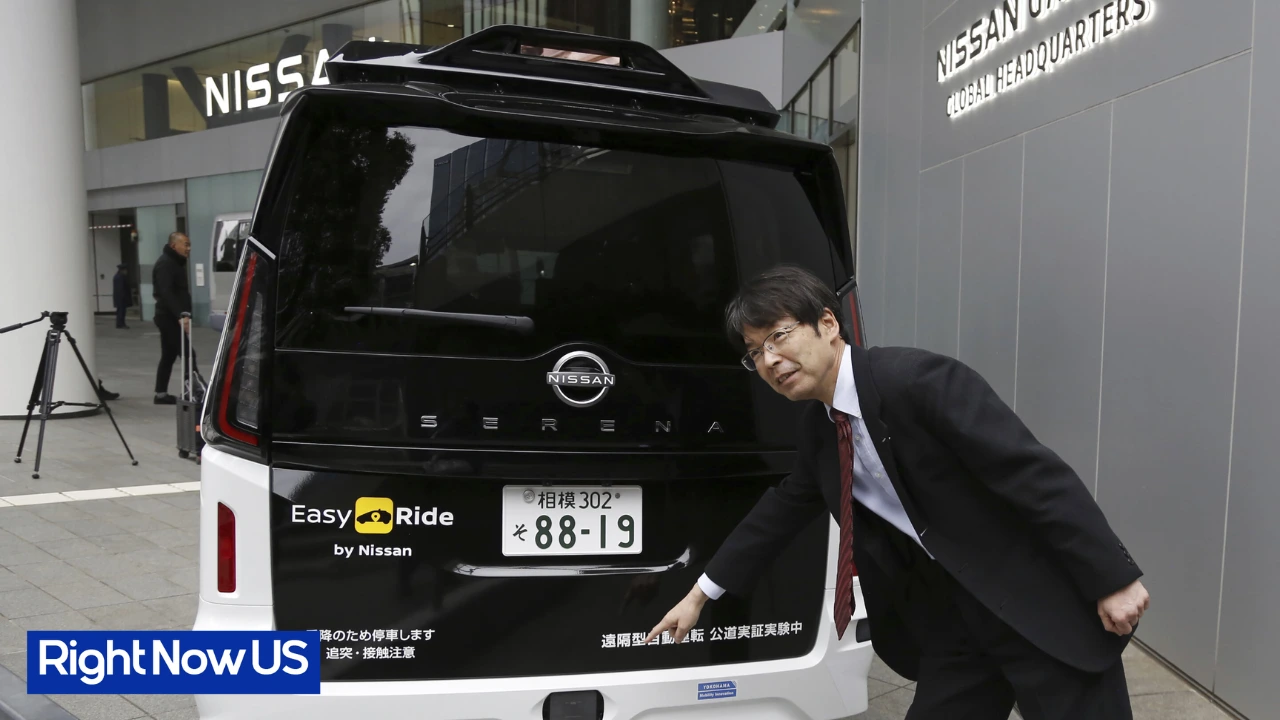

 WhatsApp Group
Japanese automaker Nissan has started real testing of self-driving technology, showing its big plans to bring safer and smarter vehicles on the road.
Nissan’s new move in self-driving
Nissan recently showcased its latest driver-assist and self-driving systems in Tokyo and Yokohama. The company is using advanced AI software, radars, cameras, and LiDAR sensors to help vehicles understand traffic, spot obstacles, and drive safely in busy city streets.
The technology is being developed with the UK startup Wayve, which is known for its powerful artificial intelligence used in autonomous vehicles.
What the technology can do
- Cars can automatically steer, accelerate, and brake
- Sensors can detect pedestrians, cyclists, and vehicles in real time
- The system helps prevent accidents and improves road safety
- Tests have even shown a Nissan minivan driving on public roads without anyone in the driver’s seat
For now, Nissan is focusing on Level 2 autonomy, which means the car helps the driver but does not replace them. The driver must stay alert and ready to take control.
When will it launch
Nissan has announced that its next-generation ProPILOT self-driving system will be available in fiscal year 2027 in Japan. Along with this, Nissan is planning mobility services such as driverless ride-sharing in certain cities.
Why this matters
- Safety first – The new technology reduces human error, which is a leading cause of road accidents.
- Mobility for all – Japan faces driver shortages and an aging population. Self-driving cars can provide transport to those who cannot drive themselves.
- Future competition – Many global carmakers are racing in autonomous driving. Nissan’s partnership with Wayve shows it wants to stay ahead in this global race.
The challenges ahead
Even with this progress, Nissan faces hurdles:
- Strict regulations and safety approvals
- Adapting technology to different roads, weather, and traffic situations
- Building public trust in self-driving cars
- Managing the high cost of sensors and systems
The road ahead
In the next few years, Nissan plans more trials in Japan. By 2027, customers may see cars with upgraded ProPILOT systems, offering advanced driver assistance. In the longer term, Nissan aims for fully driverless mobility services in limited areas.
Final Word
Nissan’s journey into self-driving technology shows how fast the auto industry is changing. The company is not promising instant robotaxis everywhere, but it is taking steady steps toward a future where cars are safer, smarter, and more independent on the road.


 By
By