 Cart is empty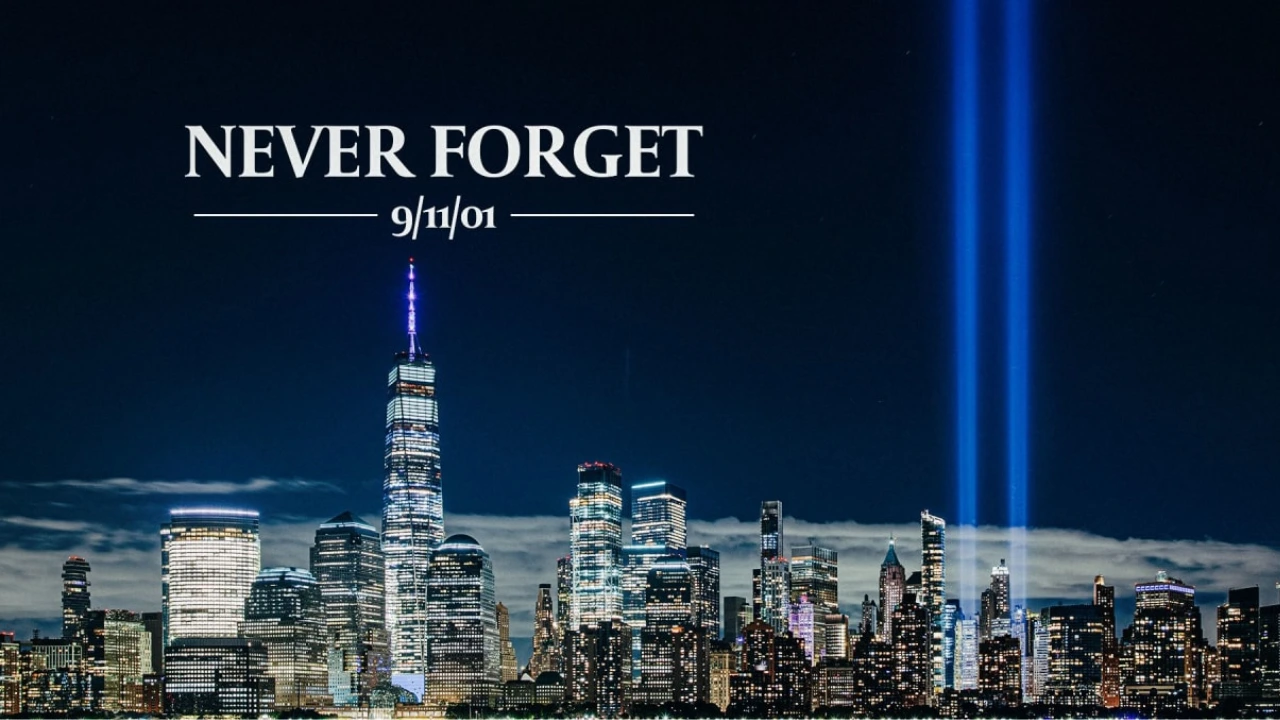

 WhatsApp Group
On September 11, 2001, the United States faced one of the darkest days in its history. Terrorist attacks on New York City, Washington, D.C., and Pennsylvania killed nearly 3,000 people. This tragedy (commonly known as 9/11) shook the world and changed how Americans view safety, war, and unity. Each year, the 9/11 anniversary reminds us of the victims, the heroes, and the lasting impact of that day.
What Happened on September 11, 2001?
The Sept 11 attacks were a series of coordinated hijackings carried out by al-Qaeda. Here’s how the events unfolded:
- 8:46 AM – Flight 11 crashed into the North Tower of the World Trade Center.
- 9:03 AM – Flight 175 hit the South Tower.
- 9:37 AM – Flight 77 struck the Pentagon.
- 10:03 AM – Flight 93 crashed in Shanksville, Pennsylvania after passengers fought back.
- 10:28 AM – Both Twin Towers had collapsed, leaving New York City in ruins.
The Human and Emotional Impact
The 911 attack left deep scars on American society:
- 3,000 lives lost, including office workers, firefighters, police, and passengers.
- 6,000+ injured, with many still facing long-term health problems.
- Emotional toll: Fear, sadness, and anger spread across the country.
- Mental health effects: Many Americans reported depression, anxiety, and sleepless nights in the months after the attacks.
Even today, many survivors and first responders continue to suffer from respiratory diseases and PTSD.
How America Reacted After 9/11
After the attacks, Americans came together in unity and patriotism. Some key responses included:
- War in Afghanistan – Less than a month later, the U.S. launched military action against al-Qaeda and the Taliban.
- Increased security – The TSA and stricter airport rules were introduced.
- Flags and memorials – Millions of Americans displayed the U.S. flag to show strength and unity.
- Religious faith – Many turned to prayer and spirituality for comfort.
Public Opinion and Memory of 9/11
For those old enough to remember, September 11th is unforgettable. Surveys show:
- Over 90% of Americans who were adults in 2001 remember exactly where they were that morning.
- In 2001, 71% said they felt depressed, and 87% reported anger over the attacks.
- 20 years later, younger generations—too young or not yet born at the time—learn about it through schools, memorials, and stories.
Memorials and Remembrance
9/11 Memorial & Museum (Ground Zero, New York)
Two reflecting pools stand where the Twin Towers once rose, with the names of every victim engraved.
Pentagon Memorial
A series of benches honors the 184 lives lost at the Pentagon.
Flight 93 National Memorial
Built in Pennsylvania, it honors the passengers who fought back, preventing further destruction.
Tribute in Light
Each year in New York, two beams of light shine into the sky, symbolizing the lost towers and the spirit of resilience.
Table: Quick Facts About 9/11
| Fact | Detail |
| Date | September 11, 2001 |
| Victims | Nearly 3,000 killed |
| Injured | Over 6,000 |
| Main Targets | Twin Towers, Pentagon, Flight 93 |
| Longest War Resulting | War in Afghanistan (2001–2021) |
| Memorials | NYC, Pentagon, Pennsylvania |
Lessons from September 11th
The 9/11 anniversary teaches us many lessons:
- Unity in crisis – The nation stood together in grief and strength.
- The cost of war – Thousands of U.S. soldiers and civilians lost their lives in Afghanistan and Iraq.
- Security vs. freedom – Americans had to balance safety with civil liberties.
- Tolerance and peace – The attacks remind us that hate must not divide humanity.
Frequently Asked Questions (FAQ)
Q. Why do we remember 9/11?
We honor the victims, the bravery of first responders, and the unity America showed after the tragedy.
Q. How many people died in the 9/11 attacks?
Nearly 3,000 people lost their lives, with thousands more injured.
Q. What is the 9/11 Memorial?
The 9/11 Memorial in New York features reflecting pools and engraved names of every victim.
Q. What wars were linked to 9/11?
The U.S. launched wars in Afghanistan (2001) and Iraq (2003) in response to terrorism.
Q. How has 9/11 changed America?
It led to new security systems, wars overseas, and a permanent shift in public opinion about safety and terrorism.
Conclusion
The September 11 attacks were not just a tragedy, they were a turning point in American history. From the sorrow and fear came unity, courage, and remembrance. Today, the 9/11 tribute ensures that the victims are never forgotten and that future generations continue to learn about the resilience of the American people. Every 9/11 remembrance day is a reminder that while hate caused destruction, hope and unity carried the nation forward.


 By
By