 Cart is empty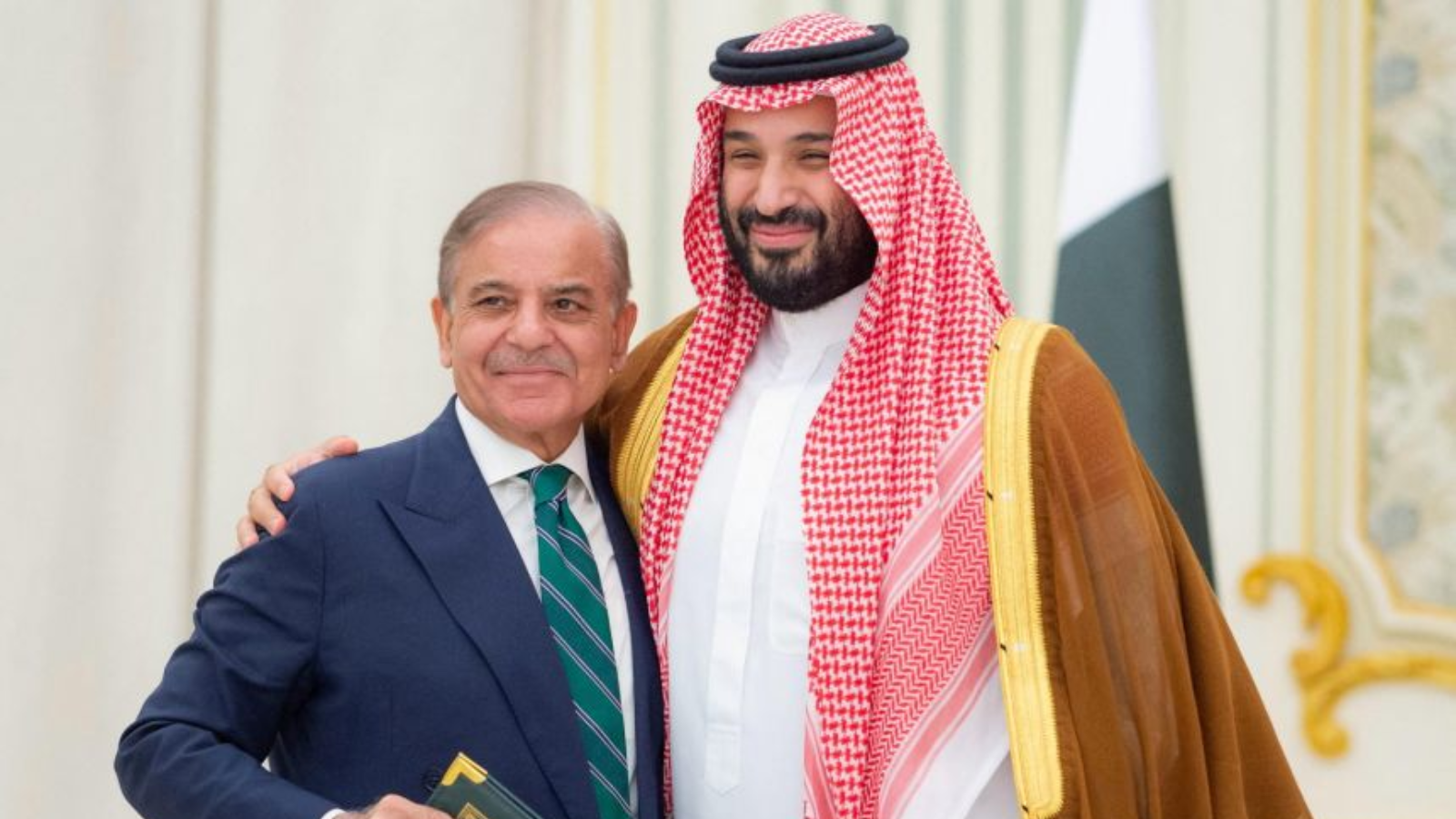

 WhatsApp Group
Saudi Arabia has taken a major step in reshaping its security strategy. The Kingdom has signed a mutual defense pact with Pakistan, a nuclear-armed country, signaling a possible shift away from its long dependence on the United States.
Why This Pact Matters
For decades, Saudi Arabia relied on the U.S. as its primary security partner in the Gulf. But recent events, including regional tensions and doubts over Washington’s commitments, have raised questions in Riyadh about whether the U.S. can still be counted on. This new agreement with Pakistan suggests Saudi Arabia wants stronger alternatives to safeguard its future.
What the Deal Includes
The pact, signed earlier this month, states that any attack on one country will be treated as an attack on both. While the agreement does not directly mention nuclear weapons, it does say that “all defensive and military means” can be used. This has led to speculation that Pakistan could, in theory, extend its nuclear protection to Saudi Arabia.
Officials from both nations highlight that the agreement is about closer cooperation and deterrence, not about provoking new conflicts. Still, the timing and wording of the deal have sparked global attention.
Changing Power Balance in the Gulf
This development comes at a time when Saudi Arabia is re-evaluating its security partnerships. By joining hands with Pakistan, Riyadh is sending a message to rivals like Iran and Israel that it has powerful allies beyond the United States.
At the same time, Saudi Arabia is careful not to damage relations with India, another nuclear power and a growing economic partner. Riyadh is clearly trying to keep its options open on all sides.
Risks and Reactions
- Uncertainty over nuclear backing: Pakistan has been cautious in clarifying whether its nuclear shield truly extends to Saudi Arabia.
- Regional tensions: A stronger Saudi-Pakistan alliance could prompt neighboring countries to adjust their defense strategies, fueling an arms race.
- Global concern: Some observers worry this move might further weaken U.S. influence in the Middle East and complicate regional diplomacy.
What This Means Going Forward
The Saudi-Pakistan pact highlights a turning point in the region. While Riyadh is not cutting ties with Washington — talks on civilian nuclear cooperation with the U.S. are still ongoing — the Kingdom is clearly hedging its bets.
For Saudi Arabia, this agreement is about reducing dependency on one partner and building a more flexible security network. For the wider Middle East, it signals the rise of a new and uncertain balance of power.
In simple words: Saudi Arabia no longer wants to rely only on the U.S. for protection. By joining forces with Pakistan, a country with nuclear power, Riyadh is creating new options for its defense. This move could reshape how power is balanced across the Middle East in the years to come.


 By
By