
 Cart is empty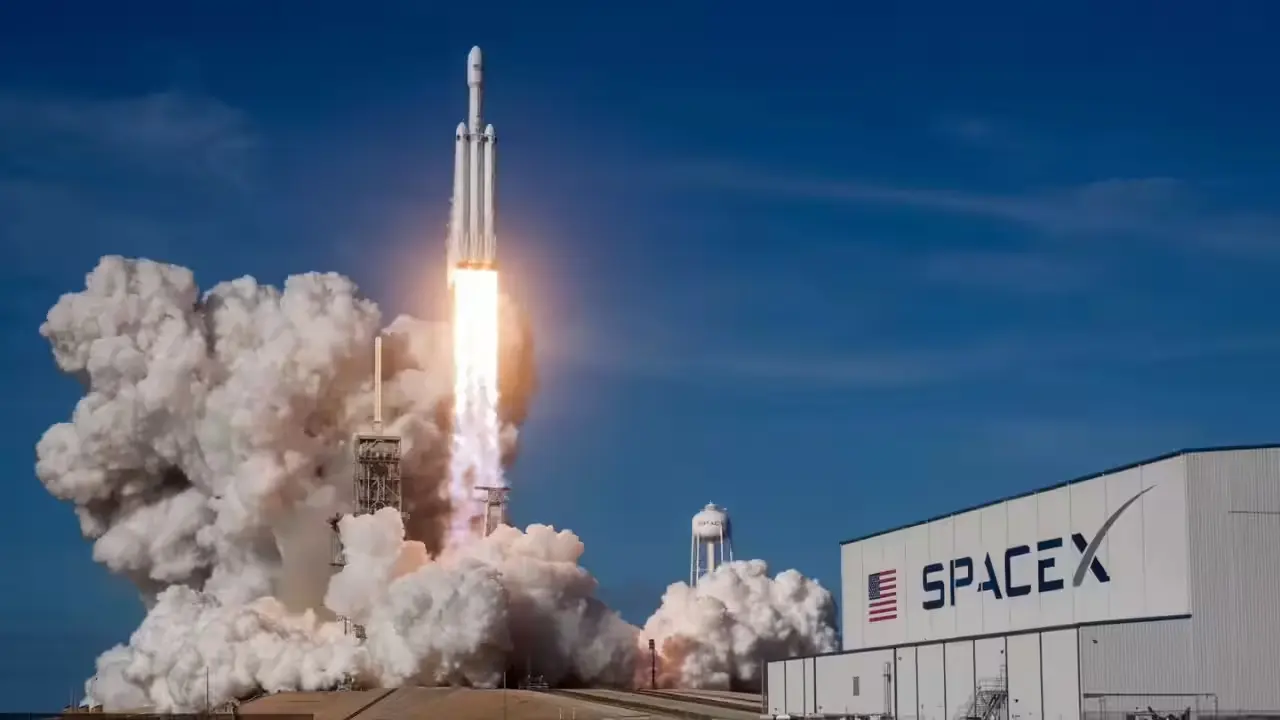

 WhatsApp Group
SpaceX has once again marked a milestone in spaceflight with the successful launch of a Falcon 9 rocket from Vandenberg Space Force Base, carrying 28 Starlink satellites into low Earth orbit. The mission highlights SpaceX’s growing dominance in the global launch industry and its continued effort to expand the Starlink internet constellation.
Smooth Liftoff and Booster Landing
The Falcon 9 rocket lifted off at 7:04 p.m. PDT (10:04 p.m. EDT), sending the payload of Starlink satellites toward orbit. Within minutes of separation, the rocket’s first stage booster (B1063) executed a flawless return, landing vertically on the autonomous drone ship “Of Course I Still Love You” stationed in the Pacific Ocean.
This successful recovery marks the booster’s 28th flight, reinforcing SpaceX’s reputation for pioneering reusable rocket technology. The ability to relaunch and land Falcon 9 boosters has not only reduced costs but also accelerated SpaceX’s launch cadence, enabling the company to set new records in 2025.
Expanding the Starlink Network
With this latest launch, SpaceX continues to grow its Starlink satellite constellation, which already includes more than 8,500 active satellites orbiting Earth. The Starlink network aims to provide high-speed, low-latency internet access to remote and underserved regions worldwide.
So far in 2025, over 70% of Falcon 9 missions have been dedicated to Starlink deployments, making it the backbone of SpaceX’s satellite expansion strategy. The newly launched batch will improve network capacity, enhance service reliability, and strengthen global coverage.
A Record-Breaking Year for SpaceX
This mission is SpaceX’s 88th Starlink launch of the year and the 124th Falcon 9 launch overall in 2025 — numbers that highlight the company’s unprecedented pace. SpaceX has been able to achieve this through a combination of rapid booster reuse, efficient mission planning, and strong demand for satellite internet services.
In addition to Starlink missions, Falcon 9 has recently supported NASA science missions, cargo resupply flights to the ISS, and even government payload launches, showcasing its versatility.
Broader Impact and Future Goals
The Falcon 9 program continues to play a key role in Elon Musk’s vision of making space more accessible and sustainable. By using reusable rockets, SpaceX reduces costs and environmental impact compared to traditional expendable launch vehicles.
Looking ahead, the company is also preparing for larger missions with its Starship rocket, which will be capable of carrying heavier payloads, lunar missions, and eventually crewed flights to Mars.
Conclusion
The latest SpaceX Falcon 9 launch is more than just another satellite delivery — it is a clear demonstration of reusable rocket innovation, commercial launch leadership, and the rapid expansion of the Starlink internet constellation. With each successful mission, SpaceX continues to reshape the future of space travel and global communication.


 By
By