 Cart is empty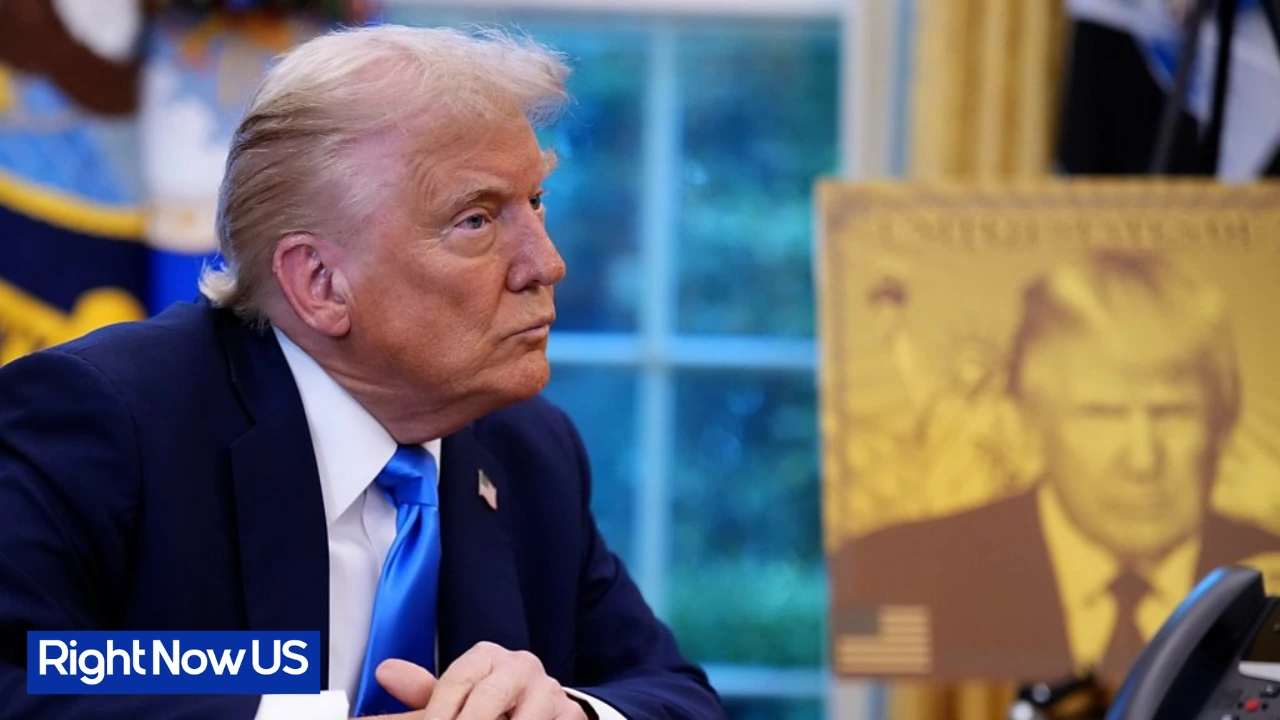

 WhatsApp Group
President Donald Trump has announced a big change to the U.S. visa system. Under a new order, companies will now have to pay $100,000 every year for each H-1B visa. This fee will apply not only to new applications but also to renewals.
The H-1B program is used by companies to bring in skilled foreign workers, especially in technology, engineering, and science.
Why this change?
The Trump administration says the goal is to protect American workers. Officials argue that some companies have been using H-1B visas to hire cheaper foreign workers instead of training Americans.
Commerce Secretary Howard Lutnick explained that the new high fee will force companies to decide if a foreign worker is truly essential or if the job can be done by a U.S. citizen.
Other visas introduced
Along with the H-1B changes, Trump announced new “investment visas”:
- Gold Card visa: for individuals who invest $1 million.
- Corporate Gold Card: for companies sponsoring foreign workers at an even higher cost.
- Platinum Card visa: costs $5 million and gives extra benefits like longer stays and some tax advantages.
Who will be most affected?
- Big tech companies like those in Silicon Valley may feel the biggest impact, as they hire thousands of skilled foreign workers.
- Indian IT firms are expected to be hit hard, since most H-1B visas go to workers from India.
- Small and mid-sized businesses that depend on skilled foreigners may struggle to pay such high fees.
Reactions and concerns
Critics say this move could harm innovation in the U.S. by making it harder for talented people to come. Others warn it could weaken America’s global competitiveness, especially against countries that make it easier for skilled workers to immigrate.
Legal experts also believe the new rule may face court challenges, as setting such high fees could require approval from Congress.
When does it start?
The proclamation was signed on September 19, 2025. The new fees are expected to take effect soon, though the exact rollout timeline may depend on visa application dates.
What this means for workers and companies
- Companies will have to spend much more to keep foreign employees.
- Many may cut down on H-1B hiring and focus more on U.S. workers.
- Skilled workers from abroad could find it harder to get jobs in America.
Final word
This new $100,000 annual fee marks one of the biggest overhauls of the U.S. visa system in years. Supporters see it as a way to protect American jobs, while critics worry it could push away global talent. The impact on businesses, workers, and the U.S. economy will become clearer in the months ahead.


 By
By