 Cart is empty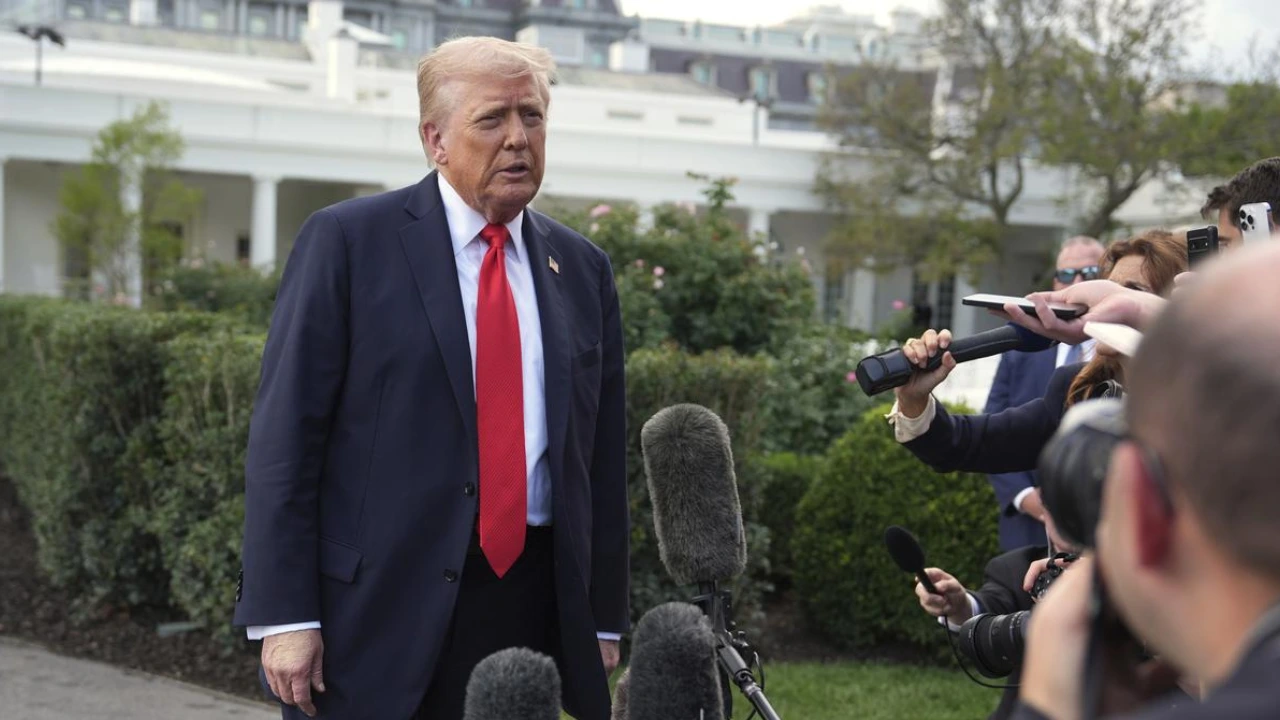

 WhatsApp Group
Former U.S. President Donald Trump has issued a forceful challenge to NATO allies, insisting that they immediately cease purchasing Russian oil and adopt punitive trade measures against China to pressure Moscow and bring an end to the war in Ukraine.
What Trump is Proposing
- He demands that all NATO member states stop buying oil from Russia before the United States will impose “major sanctions” on Moscow.
- In parallel, he calls for tariffs of 50–100% on Chinese imports tied to China’s trade in Russian petroleum, suggesting that such economic pressure would weaken China’s influence over Russia.
- Trump has criticized certain NATO members (specifically naming Turkey, Hungary, and Slovakia) for continuing Russian oil imports and said their actions “greatly weaken … bargaining power over Russia.”
Why It’s Significant
- This proposal adds a new dimension to the international response over the war in Ukraine by linking energy policy directly to collective sanctions.
- It underscores existing tensions within NATO over energy dependence. Some countries are still reliant on Russian oil due to infrastructure, geography, and supply alternatives.
- The move puts pressure on China, already a top buyer of Russian crude, by threatening high tariffs. This could strain U.S.-China trade relations further.
Responses & Challenges
- China has pushed back, rejecting the notion that its energy purchases are meant to support war efforts. It has framed the U.S. demand as counterproductive.
- NATO members such as Hungary and Slovakia (because of existing pipeline arrangements and exemptions) may find it difficult to immediately cut off Russian oil without facing economic and energy security disruptions.
- There is scepticism about how enforceable such a unified cutoff and tariff regime would be, especially given differing national interests and dependencies.
Current Data on Russian Oil Trade
- As of June 2025, Turkey was Russia’s third‐largest buyer of crude oil (after China and India).
- Within NATO/EU, Hungary and Slovakia remain among the more heavily dependent on Russian crude.
- The European Union as a whole has reduced its imports of Russian fossil fuels but exemptions, pipelines and contracts continue to complicate full disengagement.
What Comes Next
- Whether NATO members will respond in a coordinated fashion is uncertain. Some may resist due to energy security concerns, transition costs, or political implications.
- The U.S. may need to offer or negotiate energy alternatives for those members heavily reliant on Russian oil.
- China’s response to any tariffs of 50–100% could trigger retaliatory trade measures, risking escalation.
Conclusion
Trump’s demand marks an escalation in the strategy to isolate Russia economically. By tying sanctions to NATO’s own energy behavior and also targeting China, he is pushing for a broader alignment of policies in the West and among allies. Whether this can be achieved depends heavily on how willing member states are to sacrifice energy convenience for geopolitical goals and how China reacts.


 By
By